How to Use Piezoelectric Ceramic Disc in Everyday Applications?
Piezoelectric Ceramic Discs are versatile components with numerous applications across various industries. According to a report by MarketsandMarkets, the piezoelectric materials market is projected to reach USD 2.75 billion by 2025, driven by innovations in electronics and healthcare. These discs convert mechanical energy into electrical energy and vice versa, making them essential in sensors, actuators, and ultrasonic devices.
In everyday life, you might encounter Piezoelectric Ceramic Discs in smoke detectors and vibration sensors. Their ability to generate voltage when deformed enables efficient data collection in critical applications. However, it’s important to recognize the limitations; some users may struggle with integrating these discs effectively into their systems.
Real-world performance can vary based on environmental conditions and material quality. Not all Piezoelectric Ceramic Discs produce consistent results. Educating users on realistic expectations can help improve integration and efficiency. Understanding both the potential and shortcomings of these components is vital for harnessing their full capabilities.
Overview of Piezoelectric Ceramic Discs and Their Properties
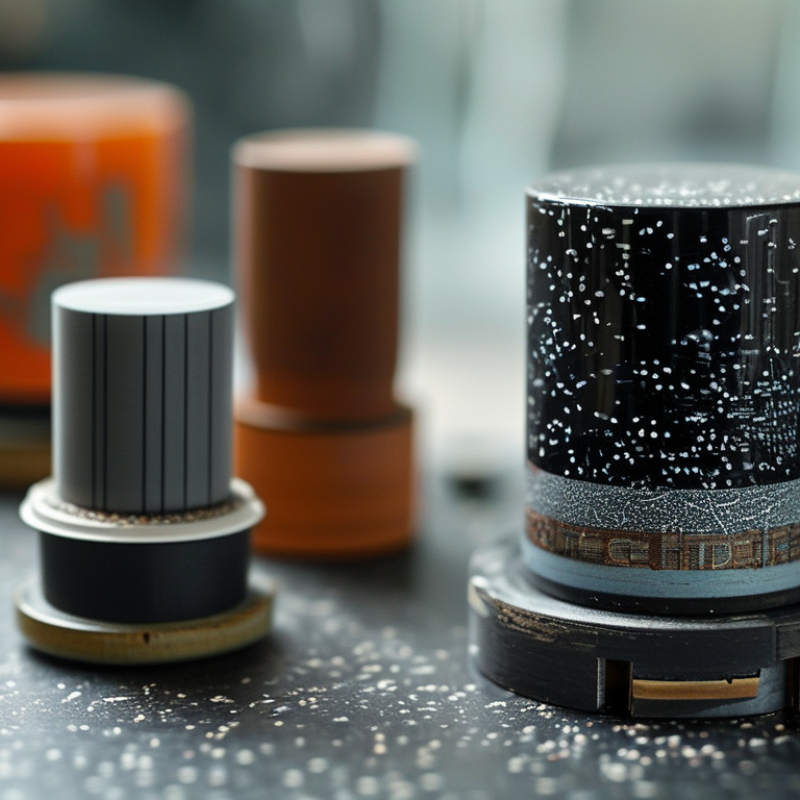
Piezoelectric ceramic discs are fascinating materials used in various applications. These discs can convert mechanical stress into electrical energy. They are made from complex ceramics, primarily lead zirconate titanate (PZT), known for their strong piezoelectric properties. According to industry reports, the global market for piezoelectric materials is anticipated to reach over $1 billion by 2026, reflecting their growing importance.
The properties of piezoelectric ceramic discs include high sensitivity and durability. These materials can withstand a wide temperature range, making them perfect for harsh environments. Their ability to produce a voltage when bent or compressed allows them to be used in sensors and actuators.
A study published in the Journal of Applied Physics confirmed that PZT ceramics have a piezoelectric coefficient of up to 400 pC/N, showcasing their efficiency.
However, there are challenges. The brittleness of piezoelectric ceramics can limit their applications in flexible devices. Additionally, the processing techniques can be complex and costly. New research is focusing on developing composite materials to mitigate these issues, aiming for better performance without compromising durability. This ongoing exploration keeps the field dynamic and full of potential.
Common Everyday Applications of Piezoelectric Ceramic Discs
Piezoelectric ceramic discs are becoming more common in our daily lives. They convert mechanical energy into electrical energy, making them versatile components in various applications. One of the most familiar uses is in electronic devices, such as microphones and speakers. When sound waves hit these discs, they generate small electrical charges. This technology enhances sound quality in communications.
Another intriguing application is in household gadgets, like electric lighters. These devices utilize piezoelectric discs to create sparks for ignition. This method eliminates the need for batteries, making it an eco-friendly option. Notably, there are also uses in medical devices. Ultrasonic transducers employ these ceramics to produce images in ultrasound systems. This technology assists doctors in diagnosing conditions non-invasively.
Despite their advantages, there are drawbacks. For instance, temperature sensitivity can affect their efficiency. If exposed to extreme heat or cold, their performance can diminish. This unpredictability requires careful consideration in product design.
Users should also be cautious about the physical strain they place on these components. Despite their robust nature, piezoelectric ceramics can crack if mishandled, impacting their operation. Attention to detail can ensure these materials are used effectively, maximizing their potential in everyday applications.
Step-by-Step Guide to Integrating Piezoelectric Discs in Projects
Integrating piezoelectric ceramic discs into everyday projects can be an exciting endeavor. These discs convert mechanical energy into electrical energy. Consider starting with a simple project, like a homemade alarm system. For this, you will need the disc, a simple circuit, and a power source.
Begin by connecting the positive lead of the piezoelectric disc to your power source. Then, connect the negative lead through a resistor to complete the circuit. When pressure is applied to the disc, it generates a voltage. This voltage can trigger a sound or other responses. Remember, the setup might require adjustments. You may face issues with sensitivity or circuit connections.
Experimentation is key in optimizing your design. You may need to test different materials and layouts. Sometimes, results won't be what you expect. Adapting your approach based on failures is important. Working with piezoelectric discs cultivates patience and creative problem-solving skills.
Best Practices for Maintaining and Handling Piezoelectric Devices
When working with piezoelectric ceramic discs, proper handling and maintenance are crucial. These devices react to mechanical stress by generating voltage, making them sensitive components. Avoid applying excessive force or pressure, as it can lead to cracks or breakage. Store them in a dry, controlled environment to prevent moisture absorption. It’s important to keep them free from dust, as debris can affect their performance.
Regular checks on connections and wiring are essential. Over time, connections can loosen. Tighten or repair them if necessary. If you notice any irregularities in output, it may be time to recalibrate or replace the device. Maintaining a consistent operating environment is key. Extreme temperatures and humidity can degrade performance.
While working with these discs, document any changes observed during usage. Being aware of the device's behavior allows for better maintenance strategies. Reflecting on past mistakes, like neglecting routine inspections, is essential for improving the handling process. Prioritizing these best practices ensures longevity and reliability in everyday applications.
Safety Considerations When Using Piezoelectric Ceramic Discs
When using piezoelectric ceramic discs, safety is a primary concern. These devices generate electrical signals when pressure is applied. It's essential to handle them carefully to avoid any accidental breakage.
Always work in a clean environment, free from dust and moisture, as these factors can affect performance and safety.
Wear appropriate protective gear when experimenting with these materials. Safety goggles and gloves can prevent injuries during handling. Even small shards can be dangerous.
When incorporating these discs into devices, ensure proper insulation to guard against unexpected electrical shocks or malfunctions. Understanding the stress limits of the material is crucial.
Overstressing a disc may lead to failure, creating safety hazards.
Regular inspections of piezoelectric devices are vital. Look for signs of wear or damage. These could indicate potential failure points. Reflect on your usage patterns and adjust them as necessary to ensure ongoing safety.
Employing proper storage conditions also helps maintain the integrity of the discs, maximizing their lifespan and reliability. Always prioritize safety in your applications.