Why is Piezo Technology Important in Modern Applications?
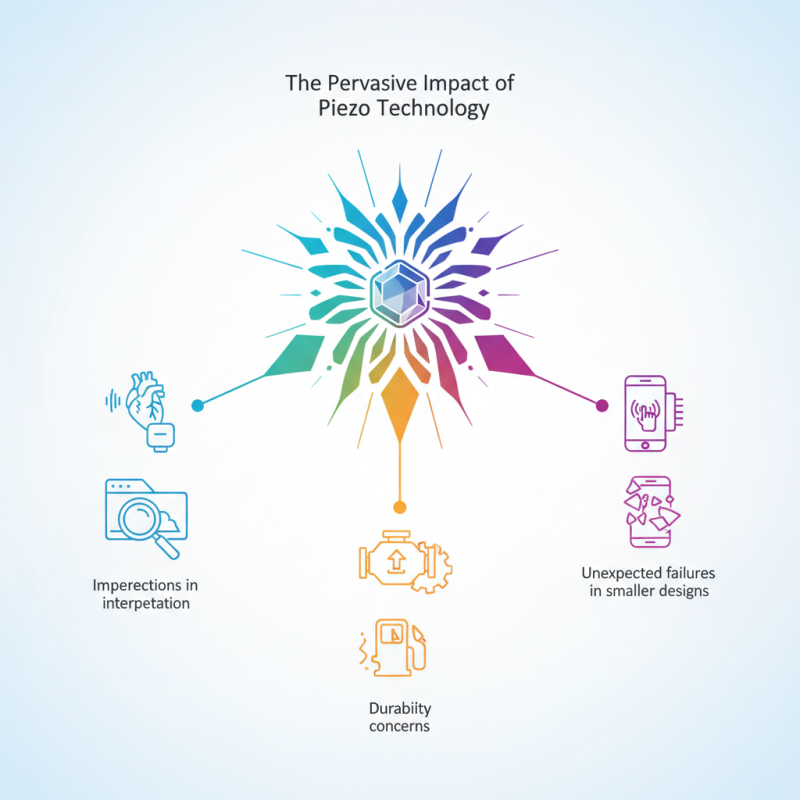
Piezo Technology has become an essential aspect of modern applications, influencing various industries. Dr. Emily Carson, a leading expert in the field, once said, "Piezo Technology enables innovation across countless sectors." This statement highlights the pervasive impact of piezoelectric materials and devices.
In medical devices, for example, piezo technology powers ultrasound equipment. These devices rely on precise vibrations to create images of internal organs. This technology saves lives, but imperfections in the interpretation of these images remain a challenge. In automotive systems, piezo actuators enhance fuel efficiency by optimizing engine performance. Yet, concerns about their long-term durability linger.
The versatility of Piezo Technology also extends to consumer electronics. Devices like smartphones use piezo sensors for touch functionality. However, as the demand for slimmer designs grows, squeezing more features into smaller devices can lead to unexpected failures. This highlights the need for continuous improvement in piezoelectric systems. The journey of Piezo Technology is ongoing, with both successes and challenges shaping its future.
Overview of Piezo Technology and Its Principles
Piezo technology uses materials that change shape when electrical voltage is applied. This phenomenon is called the piezoelectric effect. These materials can produce mechanical energy from electrical energy, and vice versa. They are crucial in various fields, such as medicine, automotive, and consumer electronics.
In medical imaging, piezoelectric devices create sound waves. These waves help form images of internal organs, assisting doctors during diagnoses. The compact size of piezo transducers allows for portable devices, making healthcare more accessible. However, not all piezo sensors provide accurate readings. Calibration is often needed to enhance their effectiveness.
In automotive applications, piezo sensors improve engine efficiency. They monitor fuel injection and exhaust systems. Yet, these sensors can sometimes fail due to environmental stressors. Maintaining reliability poses challenges. In consumer electronics, piezo technology drives haptic feedback for touchscreens. This enhances user experience but can lead to inconsistent feedback. Issues like these underscore the importance of ongoing research and development in piezo technology.
Key Applications of Piezo Technology in Industry
Piezo technology plays a crucial role across various industries today. It is widely used in sensors, actuators, and transducers. These devices convert mechanical stress into electrical energy and vice versa.
For instance, in the automotive sector, piezoelectric sensors enhance vehicle safety by detecting tire pressure and improving stability control. According to a report by MarketsandMarkets, the global piezoelectric devices market is projected to grow from $22.5 billion in 2021 to $29.5 billion by 2026.
In healthcare, piezo technology also makes a significant impact. It is utilized in ultrasound imaging for non-invasive procedures. High-frequency sound waves create precise images of body organs. This application is vital in diagnostics, improving patient outcomes. A study by Research and Markets indicates that the medical ultrasound market alone is expected to reach $8.3 billion by 2025. These advancements illustrate the growing importance of piezo technology in modern healthcare.
Despite its advantages, challenges remain. Manufacturing piezo materials can be costly. Additionally, the consistency of performance over time can vary. This inconsistency may affect reliability in critical applications. Continuous innovation is necessary to address these gaps. Implementing better quality control measures could enhance the lifespan and efficiency of piezo components.
Advantages of Utilizing Piezo Technology in Modern Devices
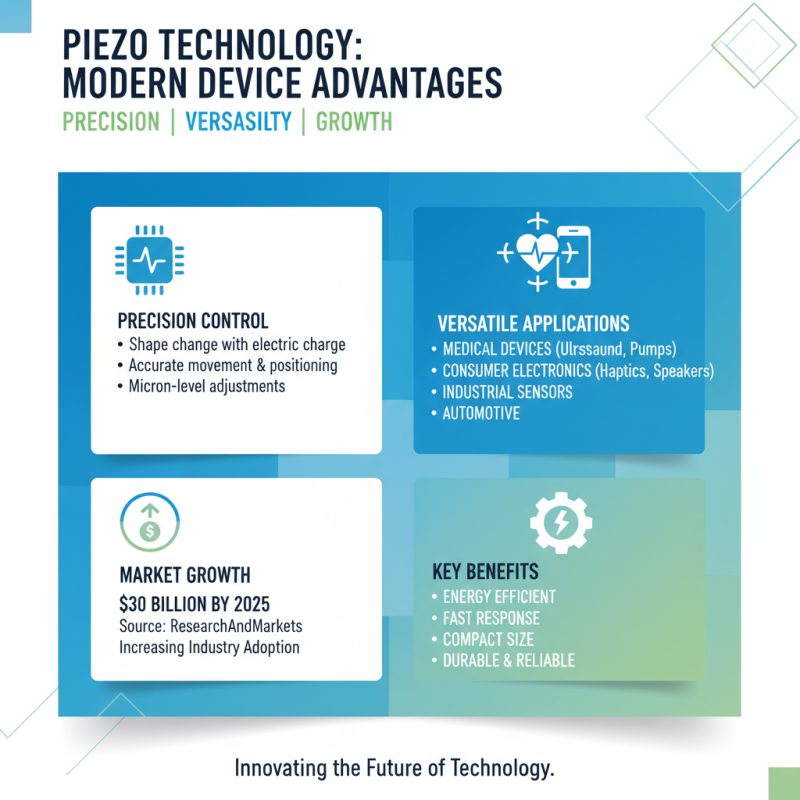
Piezo technology offers numerous advantages in various modern applications. This technology utilizes materials that change shape when an electric charge is applied. This property enables precise control for multiple uses, ranging from medical devices to consumer electronics. According to a recent report by ResearchAndMarkets, the piezoelectric devices market is expected to reach $30 billion by 2025. This growth reflects its increasing adoption across industries.
Tactile feedback in consumer devices is improved with piezo technology. Users enjoy a more responsive experience in smartphones and wearables. Additionally, piezo actuators enhance the efficiency of robotics and automation systems. By providing accurate motion control, these devices can perform intricate tasks. This can lead to lower energy consumption and greater reliability in long-term use.
Tips: When considering piezo technology, it's vital to assess the specific needs of your application. Understand that while this technology can enhance performance, it may also introduce complexities. Do thorough research to balance benefits against potential challenges.
Challenges and Limitations of Piezo Technology
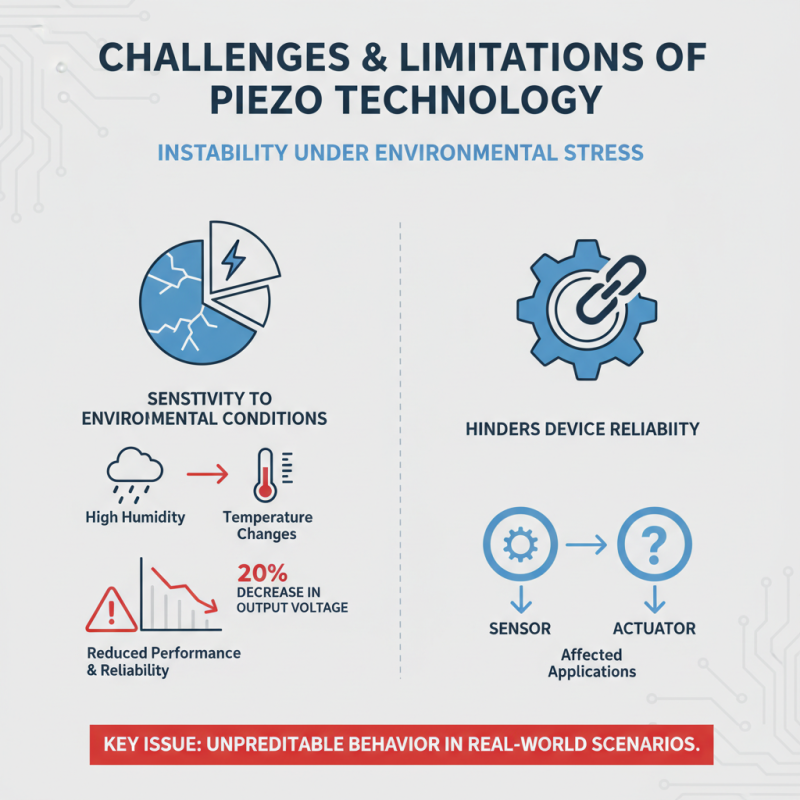
Piezo technology plays a vital role in many modern applications, yet it faces significant challenges. One major limitation is sensitivity to environmental conditions. High humidity and temperature changes can affect the performance of piezoelectric materials. For instance, studies indicate a decrease in output voltage by up to 20% when operating under adverse conditions. This instability can hinder the reliability of devices relying on piezo technology, such as sensors or actuators.
Another challenge is the material degradation over time. Piezoelectric materials can suffer from fatigue due to continuous use. Research shows that some materials can lose 30% of their efficiency after prolonged exposure to mechanical stress. This raises concerns for applications in industries like aerospace and medical devices, where reliability is critical.
Furthermore, piezoelectric devices often require complex circuitry to manage their outputs. The integration of these systems can lead to increased costs and complexity. A report from industry experts highlights that around 70% of companies express difficulty in manufacturing piezo components efficiently. Addressing these issues is essential to enhance the viability of piezo technology in various applications.
Future Trends and Innovations in Piezoelectric Applications
Piezoelectric technology is on the rise. Its applications are now expanding rapidly in various fields, including healthcare, automotive, and consumer electronics. The global piezoelectric device market is projected to reach $45 billion by 2026, showcasing a compound annual growth rate of over 8%. This surge indicates the technology’s importance in shaping the future.
Future trends in piezoelectric applications focus on miniaturization and energy harvesting. Innovations in micro-electromechanical systems (MEMS) are leading the way. Devices are becoming smaller yet more efficient. This advancement enables integration into smart devices for better performance. Energy harvesting solutions powered by piezo technology can potentially extend battery life significantly. Factories are also exploring how to capture vibrations and convert them into usable energy.
Tips for using piezo technology efficiently include evaluating the specific needs of your application. Understand the environment where it will be used. Conditions like temperature and mechanical stress can affect performance. Experimenting with different materials can yield surprising results. Embrace the trial-and-error process. Remember, not all innovations work on the first try. Flexibility and adaptation are key in harnessing the full potential of piezo technology.