What is Pzt Material and How to Source it Globally?
Pzt Material, or lead zirconate titanate, is a vital component in various high-tech applications. This ceramic material is mainly known for its piezoelectric properties, making it indispensable in sensors and actuators. According to a report by MarketsandMarkets, the global demand for piezoelectric materials is projected to reach $3.6 billion by 2025, owing to advancements in automotive and consumer electronics sectors.
Sourcing Pzt Material globally requires a nuanced understanding of both supply chains and geographic sourcing behaviors. Manufacturers must consider factors like production capabilities, material costs, and regulatory compliance across different regions. Recent data indicates that Asia-Pacific holds a substantial share, contributing to nearly 45% of the market. Yet, challenges persist in quality assurance and sustainability practices that manufacturers must address.
As industries embrace innovation, the need for reliable sourcing of Pzt Material only intensifies. Decision-makers face pressure to meet quality standards while balancing cost-effectiveness. Building partnerships with trustworthy suppliers is crucial, as is navigating an increasingly complex market landscape.

What is PZT Material and Its Applications in Industry?
PZT material, or lead zirconate titanate, is widely used in various industries. Its unique piezoelectric properties enable it to convert mechanical energy into electrical energy. This transformation is crucial in sensors and actuators.
For instance, the automotive industry relies on PZT for advanced sensors that enhance vehicle safety and efficiency. According to a 2022 industry report, the global PZT market is valued at over $1 billion, reflecting its growing demand.
In medical technology, PZT is invaluable. Ultrasound machines utilize this material to generate sound waves. These waves create detailed images of internal organs. Studies show that over 30% of ultrasound equipment employs PZT components. However, sourcing quality PZT globally can pose challenges. Supply chain disruptions or inconsistent material grades can affect production outcomes. Manufacturers must be cautious in their procurement strategies.
Moreover, the electronics sector is increasingly adopting PZT for capacitors and other components. This trend is supported by a projected growth rate of 6.5% in the electronic applications sector by 2025. Companies must stay informed about advances in PZT technology and evolving market needs. Developing relationships with reliable suppliers is essential for consistency. In this dynamic landscape, innovation and adaptability are key to success.
The Unique Properties of PZT: Piezoelectricity Explained
PZT, or
lead zirconate titanate, is a widely utilized piezoelectric material. Its unique ability to convert
mechanical energy into electrical energy—and vice versa—has significant implications across various industries.
In medical devices, PZT is crucial for ultrasound equipment, delivering precise imaging. According to industry reports, the global piezoelectric materials market is projected to reach
$3 billion by 2026, driven by innovations in technology.
The properties of PZT stem from its crystal lattice structure. When mechanical stress is applied, a displacement occurs, creating an electrical charge. This phenomenon is called
piezoelectricity. Studies indicate that PZT can achieve a piezoelectric coefficient of
400 pC/N, making it highly effective for sensors and actuators. Its properties also vary with composition,
which can lead to questions about long-term stability and reliability under extreme conditions.
However, sourcing PZT globally poses challenges. Raw materials must comply with environmental regulations. Manufacturers face scrutiny regarding
ethical sourcing, as some materials have environmental impacts. Furthermore, the market can be volatile,
with prices fluctuating based on demand. Understanding these factors is essential for suppliers and manufacturers alike. The future of PZT usage will depend on balancing technological advances
with sustainable practices.
Key Global Suppliers of PZT Material: A Comprehensive Guide
PZT (Lead Zirconate Titanate) material is essential in electronics and sensors. It is valued for its piezoelectric properties. Sourcing PZT globally requires understanding key suppliers and their offerings.
Identifying reliable suppliers can enhance your projects significantly. Many reputable manufacturers focus on quality and consistency. Research is important. Look for suppliers with certifications and strong market presence. Verifying their technological capabilities can prevent future issues.
Tips for sourcing PZT material effectively:
- Engage with industry experts. They will provide insights about reliable suppliers and market trends.
- Attend international trade shows. Networking can uncover potential suppliers. It also allows direct discussions about product specifications.
Don't overlook regional suppliers. They can offer competitive pricing and faster shipping. Issuing requests for quotes from multiple suppliers can also be beneficial. This process may take time but ensures informed decision-making.
Factors to Consider When Sourcing PZT Material Internationally
Sourcing PZT (Lead Zirconate Titanate) material globally involves several critical factors. Quality is paramount. Ensure that materials meet stringent specifications and standards. This is essential for applications in sensors and actuators. Research potential suppliers thoroughly. Look for manufacturers with a proven track record in producing high-quality PZT materials.
Consider logistical challenges. Shipping can vary greatly by region, impacting costs. Explore different transport options to find the most reliable yet affordable methods. Communication with suppliers can also be challenging across time zones. Clear, concise communication can alleviate misunderstandings.
**Tips:** Always request samples before finalizing orders. This helps verify quality firsthand. Establish a solid return policy with your suppliers for added security. Keep an eye on market trends related to PZT. Prices can fluctuate based on demand and raw material availability. Invest time in building solid relationships. Strong connections with suppliers can lead to better deals and reliability.
PZT Material Global Sourcing Overview
Emerging Trends in PZT Technology and Market Demand
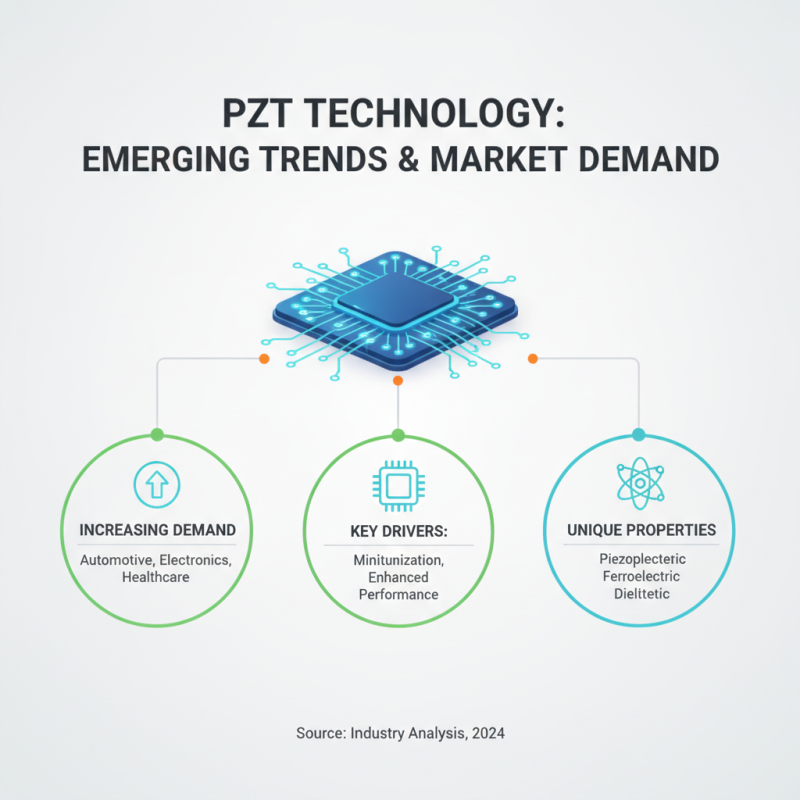
The demand for PZT (Lead Zirconate Titanate) materials is increasing rapidly. This is due to their unique properties that make them ideal for various applications. Industries like automotive, electronics, and healthcare are especially interested in PZT technology. Emerging trends show a strong focus on miniaturization and enhanced performance.
Tips: Consider attending industry conferences. These events can provide insights into the latest trends and research. Networking with professionals can also yield valuable sourcing contacts.
Moreover, the push for sustainable solutions is evident. Researchers are exploring environmentally friendly alternatives to traditional PZT materials. This shift can open new opportunities for innovation. However, sourcing these new materials can be a challenge.
It's essential to stay updated on regulatory changes. Compliance can be complex, and variations exist across regions. This unpredictability may disrupt sourcing strategies. Engaging with experts can help navigate these challenges and ensure reliable supply chains.