What is a Piezo Disc Transducer and How Does it Work?
The Piezo Disc Transducer is a fascinating device that converts mechanical energy into electrical energy. Its simplicity and effectiveness have made it popular in many applications. Understanding its function can unlock new possibilities in technology.
These transducers use the piezoelectric effect, where materials generate voltage when stressed. This mechanism allows for precise sound and vibration generation. However, the efficiency of energy conversion can vary based on material and design. It's essential to explore these factors when considering a Piezo Disc Transducer for specific needs.
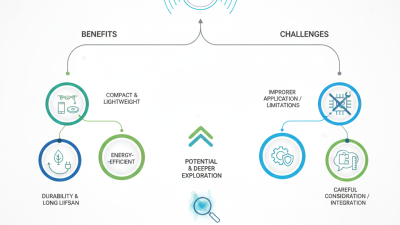
While the technology is impressive, it is not without challenges. Limitations in range and durability can affect performance. As we learn more, refining these aspects can enhance usability. The Piezo Disc Transducer reflects the continuous evolution of engineering, inviting further discussion and innovation.
What is a Piezo Disc Transducer?
A piezo disc transducer is a fascinating device that converts mechanical energy into electrical energy and vice versa. It is primarily made of piezoelectric materials, which generate an electric charge when subjected to mechanical stress. Conversely, when an electric field is applied, these materials can change shape. This unique property makes piezo disc transducers versatile in various applications, including sensors, actuators, and sound generation.
These transducers are often employed in alarm systems and medical devices. For example, in an ultrasound machine, piezo discs emit and receive sound waves, playing a crucial role in imaging. However, the performance of piezo disc transducers can be affected by environmental factors. Humidity and temperature variations can influence their efficiency.
Despite their strengths, piezo disc transducers have limitations. They can be sensitive to overdriving or excessive mechanical stress. This consideration is vital during their design and application. Understanding the operational boundaries of these devices is essential to maximize their effectiveness. Overall, piezo disc transducers offer a glimpse into the intersection of material science and electrical engineering.
Principles of Piezoelectricity in Transducers
Piezoelectricity is a fascinating principle behind piezo disc transducers. At its core, piezoelectricity refers to the ability of certain materials to generate an electrical charge in response to applied mechanical stress. This unique property makes these transducers invaluable in various applications, from sensors to actuators.
When pressure is applied to a piezoelectric material, its internal structure changes. This rearrangement of atoms produces a voltage across the material. Piezo discs are popular because they are compact and efficient, converting acoustic energy to electrical signals. This process is evident in devices like microphones, where sound waves create pressure fluctuations that the discs can detect.
It's important to recognize that not all materials exhibit the piezoelectric effect equally. The choice of material can significantly impact performance. For example, common piezoelectric ceramics may perform well but may also be sensitive to temperature changes, affecting their reliability. Moreover, the geometry of the disc can influence its sensitivity and response time. Understanding these subtleties is crucial for optimizing transducer design in real-world applications.
Construction and Design of Piezo Disc Transducers
Piezo disc transducers are fascinating devices. They convert mechanical pressure into electrical energy. Their construction involves a ceramic material that exhibits piezoelectric properties. This material is typically sandwiched between two conductive layers. These layers serve as electrodes. When pressure is applied, the material generates a voltage. This simple yet effective design makes piezo disc transducers popular in various applications.
In terms of design, the size and shape of the piezo disk greatly influence its performance. A smaller disc may respond quickly, but it produces a lower output voltage. Conversely, a larger disc can generate more voltage but is slower to respond. Engineers often need to strike a balance. Choosing the appropriate dimensions is crucial for optimal performance. This involves testing different configurations to find the right fit for specific applications, which can sometimes lead to unexpected results.
Tips: When using piezo disc transducers, ensure that the mounting surface is firm. A soft or uneven surface can affect sensitivity. Additionally, consider the environmental conditions. Temperature fluctuations may impact performance. Regularly testing the transducer can highlight any performance degradation over time, prompting necessary adjustments.
Applications of Piezo Disc Transducers in Industry
Piezo disc transducers represent a fascinating technology with wide-ranging applications in various industries. These devices convert mechanical stress into electrical energy, making them particularly useful for sensors and actuators. In manufacturing, piezo disc transducers are utilized for vibration sensing and pressure measurements. They play a crucial role in quality control, ensuring that products meet stringent standards. Their ability to respond swiftly to changes is valuable in dynamic environments.
In medical technology, piezo disc transducers are often found in ultrasound equipment. They generate sound waves that create images of internal body structures. Their precision aids in diagnostics and monitoring. Moreover, in automotive applications, these transducers are used for monitoring vibrations, helping to detect faults early. By providing real-time data, they improve safety and reduce maintenance costs.
Challenges remain in the widespread use of piezo disc transducers. Environmental factors can affect their performance. For instance, extreme temperatures or humidity levels may impact their sensitivity. Continuous research is necessary to enhance their reliability in harsh conditions. While the benefits are evident, ongoing development must focus on overcoming these limitations to maximize their effectiveness across diverse fields.
What is a Piezo Disc Transducer and How Does it Work? - Applications of Piezo Disc Transducers in Industry
| Application |
Description |
Industrial Sector |
Advantages |
| Ultrasonic Cleaning |
Used to produce ultrasonic waves for cleaning applications. |
Manufacturing |
Efficient and thorough cleaning without damaging delicate parts. |
| Medical Imaging |
Converts electrical signals to sound waves for imaging purposes. |
Healthcare |
Non-invasive and safe for patients. |
| Vibration Sensors |
Detects vibrations and converts them into electrical signals. |
Automotive |
High sensitivity and reliability in detecting machine faults. |
| Smartphone Haptics |
Provides tactile feedback by converting electrical signals to vibrations. |
Consumer Electronics |
Enhances user experience and interaction. |
| Piezoelectric Energy Harvesting |
Harvests electrical energy from mechanical stress. |
Renewable Energy |
Sustainable energy production with minimal environmental impact. |
Advantages and Limitations of Piezo Disc Transducers
Piezo disc transducers are remarkable devices that convert mechanical stress into electrical energy. They are widely used in various applications, such as sensors and actuators. However, their advantages and limitations must be considered for effective use.
One primary advantage of piezo disc transducers is their sensitivity. They respond quickly to changes in pressure or vibrations. This makes them ideal for applications where precise measurements are crucial. Another benefit is their compact size, allowing them to fit easily into small spaces. These features contribute to their popularity in industries like medical devices and aerospace.
On the flip side, piezo transducers have limitations. They typically operate within a narrow frequency range. High frequencies may lead to a loss in accuracy, which can be critical in certain applications. Additionally, they can only generate electricity when subjected to deformation. This means they require regular mechanical stress.
**Tips:** When using piezo disc transducers, be mindful of their placement. Optimal positioning can enhance their efficiency. Moreover, consider environmental factors that may affect performance, such as temperature and humidity. Regular calibrations help maintain accuracy over time.
Performance Comparison of Piezo Disc Transducers
This chart illustrates the performance metrics of piezo disc transducers across various dimensions including sensitivity, frequency response, temperature range, cost, and durability. Each metric is rated on a scale of 0-100%, showcasing strengths and weaknesses of these devices.