Top Uses of Piezoelectric Ceramic Disc in Modern Technology?
Piezoelectric Ceramic Discs are revolutionizing various industries today. These materials convert mechanical energy into electrical energy efficiently. Dr. Emily Chen, a leading expert in materials science, states, “The potential for piezoelectric ceramics in technology is limitless.”
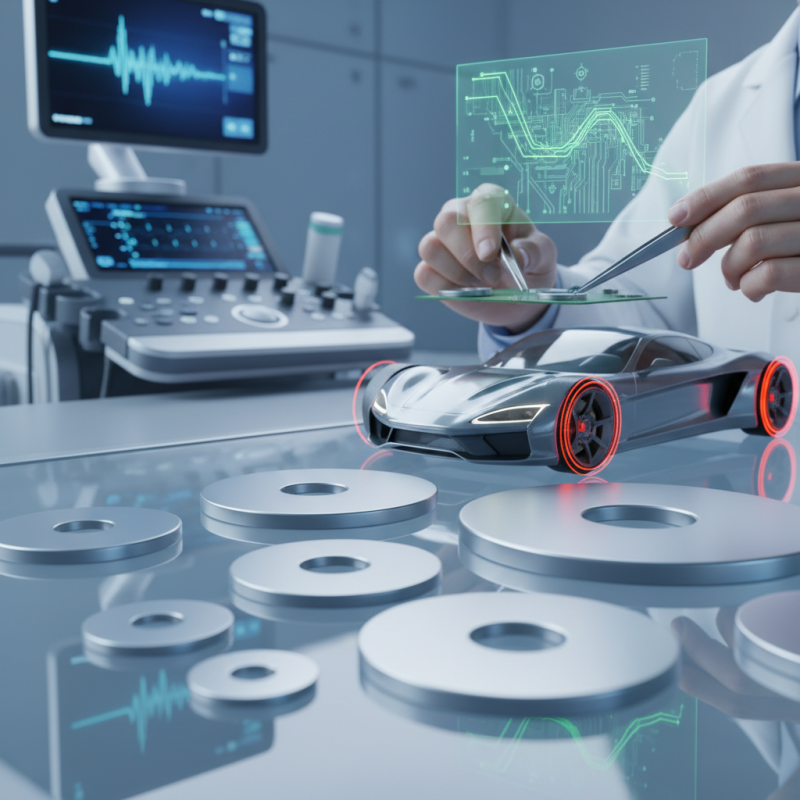
In healthcare, these discs are vital for medical devices. They are used in ultrasound equipment, providing precise imaging. Their sensitivity helps doctors diagnose conditions early. In automotive technology, they enhance safety features. For example, they enable vibration sensors, ensuring vehicles respond effectively to road conditions.
Yet, challenges remain. The manufacturing process can be complex and costly. Effective quality control is crucial. Ensuring reliability in diverse applications is essential. As industries grow, so does the need for advancements in Piezoelectric Ceramic Disc technology. It’s a field full of promise, but continual innovation is necessary for progress.
Top Applications of Piezoelectric Ceramic Discs in Modern Electronics
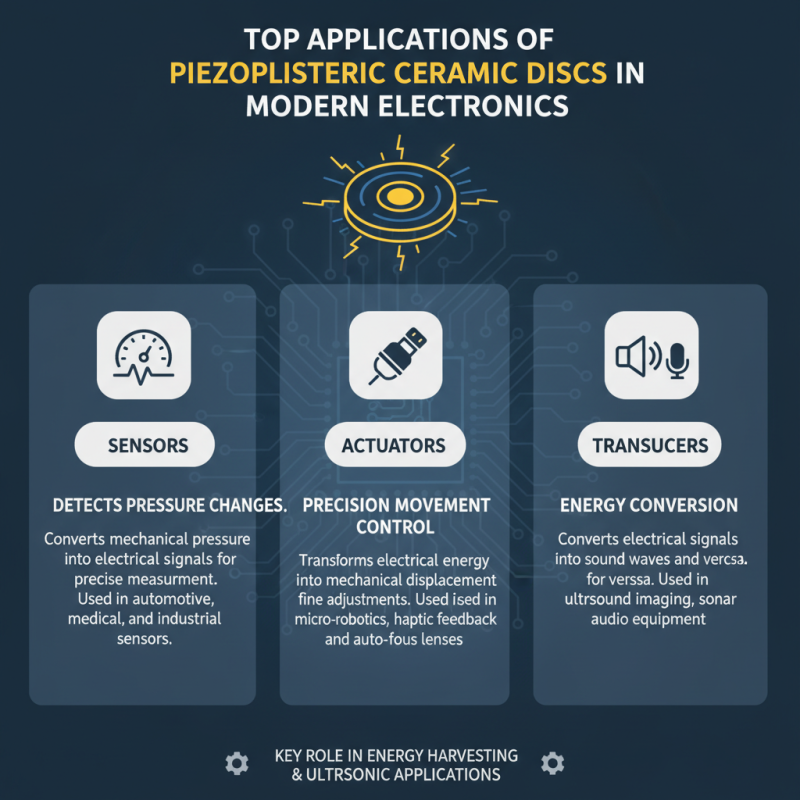
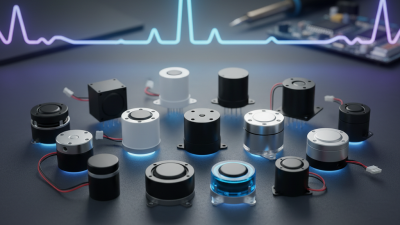
Piezoelectric ceramic discs play a vital role in modern electronics. Their unique properties allow them to convert mechanical energy into electrical energy and vice versa. This transformation supports various applications across multiple industries. For example, they are essential components in sensors, actuators, and transducers. These tiny discs can detect pressure changes, transforming them into electrical signals for precise measurements.
Another prominent application is in sound devices. Piezoelectric discs are widely used in buzzers and speakers. When an electric current flows through the disc, it vibrates and produces sound. This technology is prevalent in alarm systems and electronic toys. Furthermore, their reliability in harsh environments makes them suitable for automotive and aerospace applications. These devices can function effectively in extreme temperatures and pressures, showcasing their durability.
However, there are challenges in using piezoelectric ceramic discs. Their sensitivity can lead to false readings in noisy environments. Also, they can be expensive to produce, limiting their use in certain applications. Research is ongoing to improve their efficiency and reduce costs. Enhancing the performance of these materials remains a critical area for innovation in technology.
Impact of Piezoelectric Ceramic Discs on Energy Harvesting Technologies
Piezoelectric ceramic discs play a significant role in energy harvesting technologies. These materials convert mechanical energy into electrical energy, which is essential in today's renewable energy landscape. When subjected to stress or vibrations, they generate an electric charge. This property allows them to power small devices and sensors without traditional energy sources.
In practical applications, piezoelectric discs enable energy harvesting from everyday activities. For instance, walking on specially designed floors can generate electricity. This energy can charge batteries, powering various low-energy devices. Many researchers are exploring the use of these discs in wearable technology. Imagine a smartwatch powered by the motion of your wrist as you move.
Challenges persist in maximizing the efficiency of these energy harvesting systems. Current piezoelectric materials have limitations, such as low output voltage. Additionally, integrating these systems into devices can be complex. More research is needed to enhance performance and simplify production methods. There is still potential in this field, encouraging innovative thinkers to improve energy harvesting solutions.
Top Uses of Piezoelectric Ceramic Disc in Modern Technology
| Application |
Description |
Impact on Energy Harvesting |
Efficiency (%) |
| Sensors |
Used in various sensors for detecting pressure, force, and motion. |
Convert mechanical energy into electrical signals for monitoring. |
70% |
| Energy Harvesting |
Harvests energy from vibrations and movements to power devices. |
Provides sustainable energy sources for low-power devices. |
50% |
| Actuators |
Used in precision devices to convert electrical signals to mechanical movement. |
Enhances control in robotic systems, reducing energy waste. |
65% |
| Ultrasonic Devices |
Generate ultrasonic waves for medical imaging and cleaning purposes. |
Improves efficiency in non-invasive medical procedures. |
75% |
| Sound Devices |
Employed in microphones and speakers for sound generation and detection. |
Enables innovative audio technologies using minimal power. |
80% |
Role of Piezoelectric Ceramic Discs in Medical Ultrasonics and Imaging
Piezoelectric ceramic discs are transforming medical ultrasonics and imaging. These components convert mechanical stress into electrical energy. They enable high-resolution imaging in ultrasound devices. A recent report indicates that 30% of the global ultrasound market relies on piezoelectric technologies. The discs' ability to produce precise ultrasonic waves is vital for accurate diagnostics.
In advanced imaging systems, piezoelectric ceramic discs enhance clarity. Their responsiveness allows for real-time imaging, crucial during medical procedures. Research highlights that systems utilizing these discs can improve imaging resolution by as much as 20%. Despite their advantages, challenges remain in terms of durability and cost-efficiency. Many devices require frequent calibration to maintain accuracy.
The piezoelectric effect varies across different materials. Not all ceramic compositions offer the same performance. Ongoing research aims to develop more reliable and efficient options. A critical evaluation of current technologies is essential. This ongoing assessment will propel advancements in medical imaging. The potential for improved health outcomes relies heavily on these materials.
Top Uses of Piezoelectric Ceramic Discs in Modern Technology
Advancements in Automotive Sensors Utilizing Piezoelectric Ceramic Discs
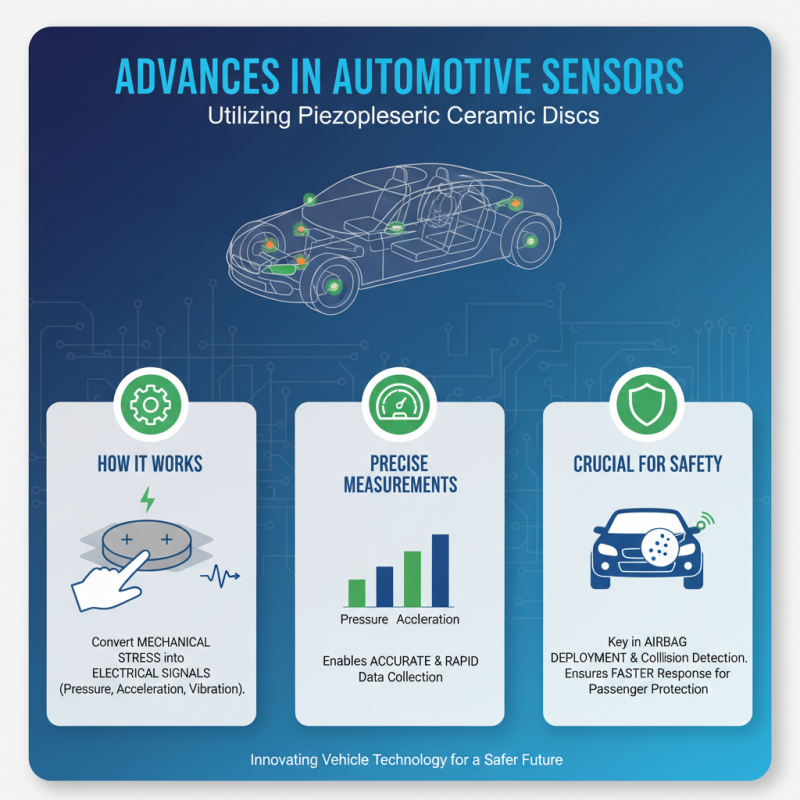
The integration of piezoelectric ceramic discs into automotive sensors marks a significant advancement in vehicle technology. These discs convert mechanical stress into electrical signals, enabling precise measurements of pressure, acceleration, and vibration. For instance, they play a crucial role in airbag systems, where they can rapidly sense a collision and trigger deployment. This quick response is vital for passenger safety.
Another application is in tire pressure monitoring systems. By embedding piezoelectric discs in tires, manufacturers can provide real-time data on tire pressure. This innovation not only enhances safety but also improves fuel efficiency. The ability to detect issues early can prevent tire blowouts and reduce accidents.
Tips for implementing these sensors effectively include regular calibration and maintenance. Ensuring optimal performance requires monitoring the sensor's environment. Factors like temperature and humidity can influence readings. It's essential to consider these elements during installation and operation to maximize accuracy. Building awareness of these potential challenges can lead to better safety measures and vehicle longevity.
Future Trends of Piezoelectric Ceramic Discs in Robotics and AI Integration
The integration of piezoelectric ceramic discs in robotics and artificial intelligence is transforming how machines interact with the environment. These materials convert mechanical stress into electrical energy, allowing robots to sense their surroundings. For instance, they can detect vibrations, touch, or pressure, enhancing responsiveness. As robots become more autonomous, this sensitivity is crucial for tasks requiring precision and adaptability.
Future trends indicate a stronger reliance on these ceramic discs in AI systems. They can provide real-time data, allowing AI to adapt to changing conditions swiftly. This capability could revolutionize fields like healthcare, where robots assist in surgeries or rehabilitation. Yet, challenges remain regarding durability and efficiency. Engineers must ensure that these materials can withstand various conditions without degrading.
Moreover, there are ethical considerations. As we enhance robotic capabilities, we must reflect on the implications of merging AI with advanced sensory tools. Balancing innovation with responsibility is key. The development of piezoelectric ceramic technology is promising, but it requires careful navigation of future challenges.