Leave Your Message
  • sns02
  • linkedin (2)
  • sns041
  • whatsapp (2)

What are the Benefits of Using Piezo Ceramic Discs?

Piezo Ceramic Discs are innovative components that have transformed various technologies. These discs are made from piezoelectric materials. When voltage is applied, they create mechanical movement. This property makes them crucial in many applications. From sensors to actuators, their versatility is impressive.

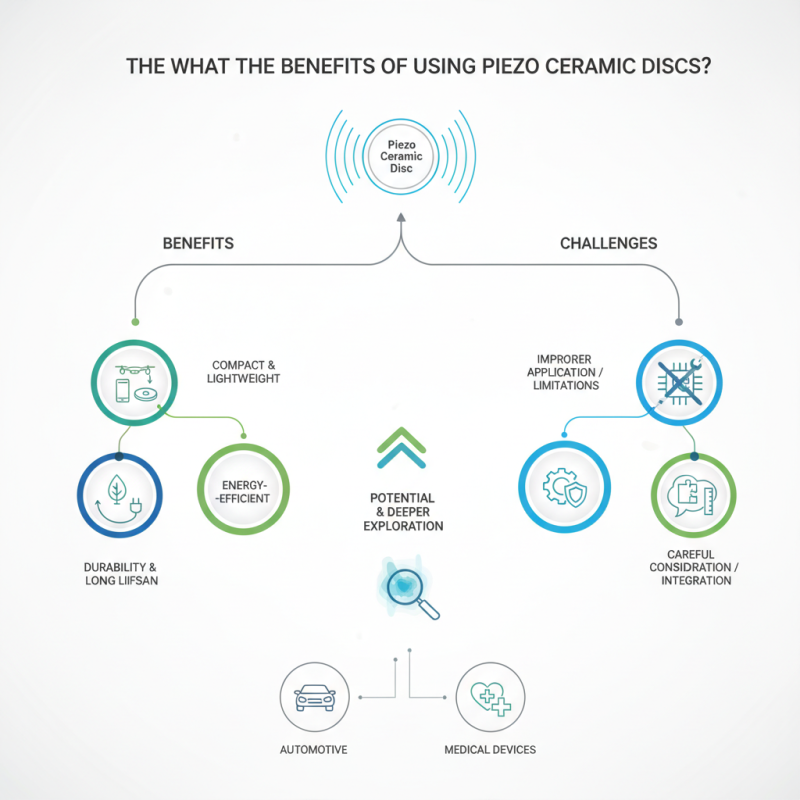
The benefits of using Piezo Ceramic Discs are significant. They are compact and lightweight, which is a major advantage in many devices. Moreover, they are energy-efficient, reducing power consumption. Their durability ensures a long lifespan, making them reliable in demanding environments. Industries ranging from automotive to medical devices are greatly enhancing their performance with these discs.

However, the use of Piezo Ceramic Discs is not without challenges. Understanding their limitations is crucial for effective use. Improper application can lead to inefficiencies. Thus, careful consideration is needed when integrating them into designs. The potential they hold warrants deeper exploration despite any imperfections.
What are the Benefits of Using Piezo Ceramic Discs?

Advantages of Piezo Ceramic Discs in Energy Conversion Applications

Piezo ceramic discs are gaining traction in energy conversion applications. These materials efficiently convert mechanical energy into electrical energy. According to a report by MarketsandMarkets, the market for piezoelectric devices is expected to reach $30 billion by 2025. This growth reflects their increasing utilization in industries like automotive and aerospace.

One key advantage of piezo ceramic discs is their high energy density. They can generate significant voltage and current with minimal mechanical input. This makes them suitable for applications such as energy harvesting from vibrations. However, they are not without challenges. Factors such as temperature sensitivity and fatigue under repetitive stress can limit their lifespan.

The versatility of piezo ceramic discs is another benefit. They can be engineered for various frequencies and sizes based on specific application needs. This adaptability allows for innovation in developing small-scale energy converters. Yet, developers must carefully consider their material properties. It's vital to strike a balance between performance and durability.

Applications of Piezo Ceramic Discs in Sensors and Actuators

What are the Benefits of Using Piezo Ceramic Discs?

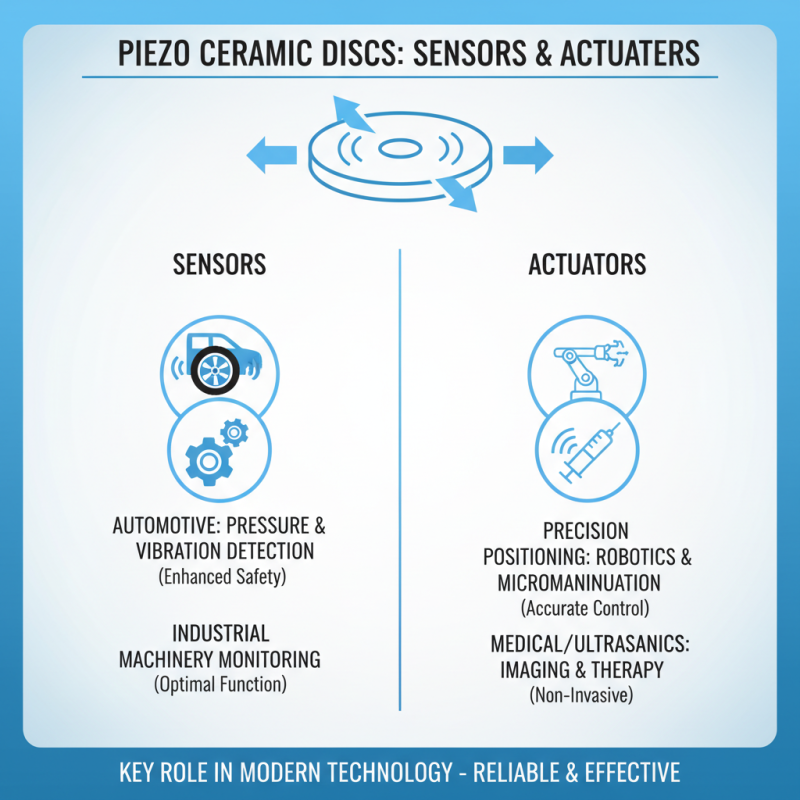
Piezo ceramic discs play a crucial role in modern technology, especially in sensors and actuators. Their ability to convert mechanical stress into electrical energy is fundamental for various applications. In automotive sensors, these discs detect pressure and vibrations, enhancing vehicle safety and performance. In industrial settings, they monitor machinery, ensuring optimal functioning and reducing downtime. These applications highlight their reliability and effectiveness.

In actuators, piezo ceramic discs convert electrical signals into precise movements. This allows for ultra-fine adjustments in robotics and medical devices, where accuracy is paramount. For instance, in surgical instruments, these actuators provide the necessary control for delicate procedures. However, the technology requires careful calibration. Misalignment can lead to significant errors. This potential for inaccuracy emphasizes the importance of skilled operation.

Despite their advantages, piezo ceramic technology comes with limitations. Temperature changes can affect performance. Additionally, the physical properties of these materials can make them brittle, leading to failures in some applications. Users must consider these factors when integrating them into systems. Understanding their strengths and weaknesses ensures that piezo ceramic discs are employed effectively.

Comparison of Piezo Ceramic Discs with Other Material Types

When comparing piezo ceramic discs with other materials like polymers or metals, it's crucial to consider their unique properties. Piezo ceramic discs are known for their superior piezoelectric performance. They generate electrical energy from mechanical stress more efficiently than most other materials. This property makes them suitable for diverse applications, including sensors and actuators.

In contrast, polymers offer flexibility and lightweight characteristics. However, their piezoelectric efficiency is typically lower. Metals may excel in electrical conductivity but lack the piezoelectric properties that ceramics possess. This comparison highlights that while some materials may serve specific purposes well, piezo ceramics often stand out in applications requiring precise energy conversion.

Despite their advantages, piezo ceramic discs do have drawbacks. They can be brittle and sensitive to environmental factors. This limitation can lead to performance issues if not managed properly. Understanding these nuances is essential for selecting the right material for various engineering applications. A careful evaluation of needs will ensure optimal performance and longevity of the components used.

Durability and Longevity Benefits of Piezo Ceramic Discs

Piezo ceramic discs offer significant durability and longevity advantages. These materials are inherently robust, capable of withstanding harsh environments where conventional components might fail. A study by the International Journal of Material Science indicates that piezo ceramics can operate effectively across temperature ranges from -40 to 130 degrees Celsius. This resilience makes them ideal for various applications, including sensors and actuators.

Moreover, piezo ceramic discs exhibit minimal wear over time. Unlike traditional materials that deteriorate, these discs maintain their performance integrity. According to data from the Materials Research Society, piezo ceramics demonstrate a lifespan exceeding 5 million cycles under typical operational stress. This impressive longevity reduces the need for frequent replacements, ultimately leading to cost savings. However, it is essential to note that improper application can result in stress fractures, which may compromise their effectiveness.

Balancing these benefits, manufacturers must consider production quality and installation techniques. Flaws during production can affect durability, making rigorous quality control essential. Feedback from industry professionals suggests that even small inconsistencies can lead to significant performance issues. Therefore, ensuring precision in manufacturing processes is crucial for maximizing the advantages of piezo ceramic discs.

Cost-Effectiveness of Using Piezo Ceramic Discs in Manufacturing

Using piezo ceramic discs can significantly reduce manufacturing costs. These devices are efficient and durable, translating to lower maintenance expenses. They convert mechanical energy into electrical energy, making them ideal for various applications. This energy conversion boosts productivity in manufacturing systems.

The initial cost of piezo ceramic discs can be a concern. However, their longevity often outweighs this. Their robust nature allows for fewer replacements over time. Industries must weigh this upfront investment against long-term savings. Emphasizing cost-effectiveness requires careful analysis. Some manufacturers may find it challenging to justify the investment initially.

Integration of piezo ceramic discs enhances system performance. This technology can be seamlessly incorporated into existing setups. Yet, it might require re-evaluation of older systems. Ensuring compatibility can lead to additional costs. Balancing these factors is essential for manufacturers looking to invest wisely.

What are the Benefits of Using Piezo Ceramic Discs? - Cost-Effectiveness of Using Piezo Ceramic Discs in Manufacturing

Benefit Description Cost Impact (%) Durability (Years) Applications
High Efficiency Converts mechanical energy into electrical energy with minimal loss. 15% 10 Sensors, Actuators
Compact Size Small form factor that enables integration into tight spaces. 10% 8 Medical Devices, Consumer Electronics
Low Maintenance Requires minimal upkeep due to their robust design. 5% 12 Industrial Equipment, Robotics
Versatile Functionality Can be used for various applications including sensing and actuation. 20% 15 Automotive, Aerospace
Environmental Stability Resists temperature and humidity variations, ensuring reliability. 7% 10 HVAC Systems, Weather Sensors