Best Piezo Technology Solutions for Global Buyers?
In today's rapidly evolving technological landscape, understanding Piezo Technology is crucial for global buyers. Dr. Emily Zhang, a leading expert in the field, emphasizes, "Piezo Technology transforms energy into movement with remarkable precision." This statement highlights the importance of finding reliable Piezo solutions.
The market is saturated with options, but not all deliver consistent performance. Buyers must critically evaluate the technology behind these products. Not all manufacturers can guarantee the quality that Piezo Technology demands. Some fall short in reliability, leading to performance issues.
Engaging with experienced suppliers is essential. A company’s expertise in Piezo Technology can significantly impact outcomes. As buyers navigate this complex landscape, understanding the nuances informs better decision-making. Seeking partnerships with credible manufacturers ensures access to high-quality Piezo solutions that meet specific needs.

Overview of Piezo Technology: Definitions and Key Applications
Piezo technology plays a crucial role in various industries. It refers to the ability of certain materials to generate an electric charge when mechanically stressed. This unique property enables a wide range of applications, particularly in sensors and actuators.
In medical devices, piezo materials are essential for ultrasound equipment. They generate sound waves that create images of internal organs. Additionally, in automotive applications, piezo elements are used in fuel injectors to enhance efficiency. Their precision allows for better fuel atomization, leading to improved engine performance.
However, there are challenges. The dependency on specific materials can limit options for manufacturers. The costs associated with high-quality piezo components may deter some users. It's important to assess both performance and affordability when considering piezo solutions. Balancing these factors can lead to informed decisions for buyers.
Market Trends: Global Demand for Piezoelectric Solutions (2023 Data)
The global demand for piezoelectric solutions has seen substantial growth in 2023. This surge is driven by advancements in various industries, including healthcare and telecommunications. Piezo technologies are essential in applications like sensors, actuators, and energy harvesting. These advancements bring both opportunities and challenges for manufacturers.
Understanding market trends is key for buyers. Many companies seek high-performance piezo materials to stay competitive. Buyers should consider potential supply chain disruptions. Researching reliable suppliers becomes crucial. Crafting strong relationships with manufacturers can enhance reliability and performance.
Tips: Always assess the specific requirements of your application. This ensures the chosen piezo solution meets your needs. Engage with technical experts during selection. Their insights can lead to better outcomes and prevent costly mistakes. Building a flexible approach is essential in an ever-changing market.
Leading Manufacturers in Piezo Technology: A Comparative Analysis
In recent years, the demand for piezo technology has surged, driven by advancements in various industries. A comparative analysis of leading manufacturers reveals significant insights into performance and innovation. According to industry reports, the global piezoelectric devices market is projected to reach USD 3.9 billion by 2026, growing at a CAGR of 5.5%. This growth stems from increased applications in automotive, healthcare, and consumer electronics.
Key manufacturers differentiate themselves by focusing on product reliability and advanced materials. Emerging trends indicate a preference for multi-functional piezo devices. While some brands excel in precision, others emphasize versatility. Reports suggest notable challenges, including the high cost of raw materials and varying regulatory standards across regions. These factors can impact production timelines and pricing strategies.
Tips for selecting piezo technology solutions include assessing the manufacturer's experience and their commitment to sustainability. Researching their collaboration with research institutions can provide insights into their innovation capabilities. It is essential to remain mindful of the evolving market needs and environmental considerations. Furthermore, engaging with multiple suppliers can help in identifying the best quality for your specific applications while managing costs effectively.
Best Piezo Technology Solutions for Global Buyers
This chart presents a comparative analysis of the piezo technology solutions based on their market share, effectiveness, and innovation rankings.
Innovations in Piezo Materials: Enhancements and Performance Metrics
The field of piezo technology is undergoing rapid advancements. Innovations in piezo materials are driving significant enhancements in performance metrics. Recent reports indicate that the global piezoelectric materials market is expected to grow at a CAGR of 6.2% from 2023 to 2030. This growth reflects the rising demand for efficient energy solutions across various industries.
New materials, such as nanostructured piezo ceramics, have shown up to 20% improvements in energy conversion efficiency. These advanced materials enable smaller, more powerful devices. Researchers emphasize that ongoing challenges remain, particularly in achieving consistency in production and scalability. The focus on developing hybrid piezo materials offers promising avenues but needs rigorous testing for reliability.
Performance metrics are crucial in evaluating these materials. Recent data highlight that the dielectric constant of modern piezo ceramics has increased, enhancing their response time and efficiency. However, industry experts warn that not all innovations translate into real-world applications. Ongoing research is essential to bridge the gap between laboratory success and practical implementation in consumer products.
Challenges and Future Directions in Piezo Technology Development
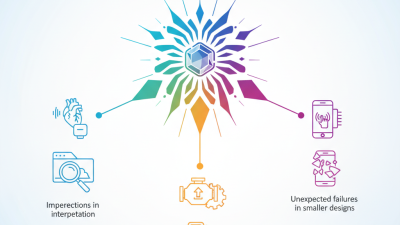
The development of piezo technology faces several challenges. Integrating piezo materials into existing systems often requires extensive customization. This can lead to increased costs and longer development timelines. The inconsistency in material properties also complicates the reliability of piezo devices. Manufacturers must ensure that each unit performs as expected across various conditions.
Looking ahead, the direction of piezo technology development appears promising but requires careful navigation. Advancements in material science could lead to more consistent and efficient piezo materials. Collaborations between researchers and industry leaders may yield innovative applications. However, understanding user needs remains critical. Often, piezo solutions fall short despite technical advancements.
Environmental considerations are also increasingly important. Developing sustainable piezo materials is crucial for future growth. The industry must address the environmental impact of production processes. Balancing performance with sustainability is a challenge many in the field are still reflecting upon. Addressing these issues will be essential for piezo technology to realize its full potential.