2026 Best Innovations in Piezo Technology for Future Applications?
In the rapidly evolving landscape of technology, Piezo Technology stands out as a game-changer. According to Dr. Emily Hart, a renowned expert in this field, “The future of innovation lies in harnessing small forces for big results.” Her insight emphasizes the transformative potential of piezoelectric materials across various applications.
This technology utilizes the unique property of certain materials to generate an electric charge when mechanically stressed. In sectors like healthcare, automotive, and consumer electronics, Piezo Technology is expected to revolutionize how devices work. For instance, it can enhance the efficiency of sensors and actuators, leading to more responsive and energy-efficient systems.
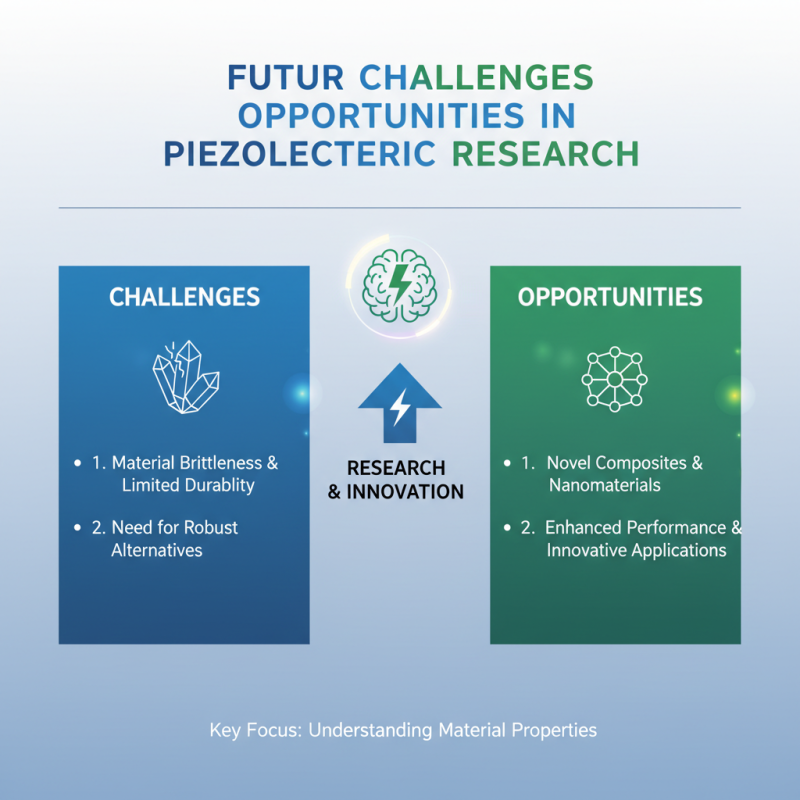
However, challenges remain. The scalability of piezoelectric materials still requires exploration. We need to critically assess the lifetime and stability of these innovations. As we delve into the best innovations in Piezo Technology for 2026, it is crucial to reflect on their practicality and sustainability in real-world applications.

Recent Advances in Piezo Technology: An Overview
Recent advancements in piezo technology show great promise for future applications across various industries. Researchers are exploring new materials that enhance piezoelectric properties, such as nanostructures and composites. These innovations could lead to more efficient energy harvesting methods, enabling devices to generate power from motion. Imagine sensors that can capture kinetic energy from everyday movements, powering small electronics without batteries.
Manufacturers are also focusing on miniaturization. Smaller piezo devices can be integrated into compact applications, like wearable technology. This trend opens doors for health monitoring systems that are less intrusive. However, the challenge remains in maintaining sensitivity and performance at reduced sizes. Continuous testing and refinements are needed for optimal functionality.
While the potential is exciting, there are hurdles to overcome. Standardization and durability of new materials are still in question. Engineers must ensure these innovations can withstand varying conditions. The evolving landscape of piezo technology holds significant promise, calling for ongoing research and development to unlock its full potential.
Innovative Applications of Piezoelectric Materials in Industry
Piezoelectric materials are revolutionizing various industrial applications, enhancing both efficiency and performance. These materials convert mechanical energy into electrical energy and vice versa. Reports indicate that the global piezoelectric materials market is projected to reach $1.3 billion by 2026, driven by advancements in technology and application fields, including automotive, healthcare, and consumer electronics.
In healthcare, piezoelectric materials are utilized in ultrasound devices, enabling precise imaging and targeted treatments. The precision of these devices can lead to improved patient outcomes. As the technology matures, we may encounter challenges in scalability and integration with existing systems. Exploring ways to enhance these materials' durability and efficiency is crucial for their long-term adoption.
Tips: When considering piezoelectric applications, assess the specific mechanical properties required for your industry. Collaboration with materials scientists can yield better performance results. Remember, continuous research and development are essential to address potential limitations in functionality and cost-effectiveness.
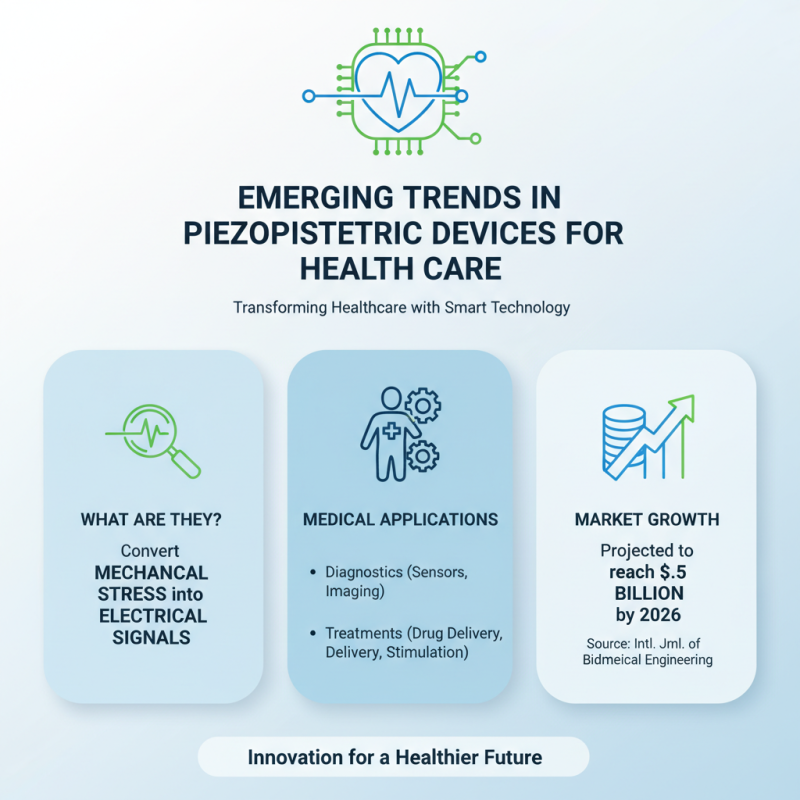
Emerging Trends in Piezoelectric Devices for Health Care
The healthcare sector is experiencing a transformative shift with the integration of piezoelectric technology. Piezoelectric devices convert mechanical stress into electrical signals, offering innovative solutions for medical diagnostics and treatments. According to a recent report by the International Journal of Biomedical Engineering, the market for piezoelectric devices in healthcare is expected to reach $3.5 billion by 2026. This projection highlights a growing recognition of the technology's potential.
One emerging trend is the use of piezoelectric sensors in wearable health devices. These sensors can continuously monitor vital signs, such as heart rate and blood pressure. Researchers at the University of California have demonstrated that these devices can deliver real-time data with 95% accuracy. However, questions arise about data privacy and the reliability of long-term wear. As these devices become more prevalent, ensuring the security of personal health information is critical.
Another promising application lies in ultrasonic imaging. Piezoelectric transducers are integral to creating high-resolution images of internal organs. A report from the Journal of Medical Imaging emphasizes that these devices improve diagnostic accuracy by 30%. Yet, challenges remain regarding their accessibility and cost. Some patients may not benefit from these advancements due to financial barriers. As the industry evolves, balancing innovation with patient accessibility will be crucial for maximizing the potential of piezoelectric technology in healthcare.
Potential of Piezo Technology in Renewable Energy Solutions
Piezo technology is gaining traction in the renewable energy sector. It converts mechanical stress into electrical energy. As stakeholders push for sustainable solutions, innovations in this field are key. According to a recent report by Research and Markets, the global piezoelectric materials market is expected to reach $40 billion by 2026. This growth reflects the immense potential for piezo-based applications in harnessing energy from natural sources.
For example, piezoelectric materials can be integrated into road surfaces. When vehicles pass, they generate energy through pressure. Studies indicate that using piezo technology on highways could produce up to 1.5 gigawatts of energy annually in the U.S. alone. Additionally, researchers are exploring applications in wearable devices. Sensors embedded in clothing can harvest energy from body movements. Yet, these innovations face challenges, such as limited energy output in low-pressure scenarios.
The role of piezo technology in wind and hydropower generation also shows promise. By enhancing the efficiency of turbine systems, piezo materials could increase energy capture rates significantly. However, large-scale implementation remains a hurdle. Factors like high costs and material durability require further investigation. On the whole, while the potential is evident, real-world applications must address these challenges for piezo technology to fully contribute to renewable energy solutions.
2026 Best Innovations in Piezo Technology for Future Applications
This chart illustrates the potential applications of piezo technology in renewable energy solutions for 2026. The innovations in piezoelectric materials can significantly enhance energy harvesting and conversion efficiency.