Why Choose a Piezo Fan for Your Cooling Needs?
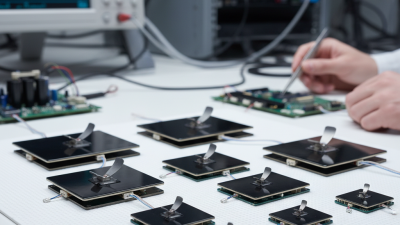
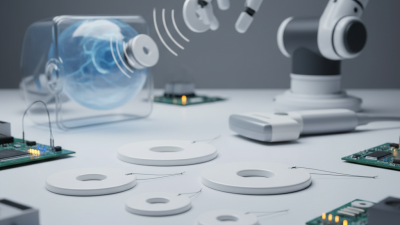
In the realm of modern cooling solutions, the choice of a Piezo Fan stands out. Dr. Emily Carter, an expert in thermal management systems, states, "Piezo Fans offer unparalleled efficiency and precision." This statement highlights the growing importance of this technology. Exhaustive research shows these fans use piezoelectric materials to create airflow, making them ideal for various applications.
The benefits of Piezo Fans extend beyond their size and weight. They operate silently, making them perfect for environments where noise is a concern. Additionally, they consume less power, which is critical in energy-sensitive applications. Manufacturers are increasingly adopting this technology, but some remain skeptical due to the unfamiliarity.
As the industry evolves, users must understand both advantages and limitations. Piezo Fans may not yet be suitable for every cooling requirement. However, their ongoing development suggests a promising future. Exploring this technology could lead to better cooling solutions tailored to specific needs.
Understanding Piezo Fans: The Basics and Mechanism
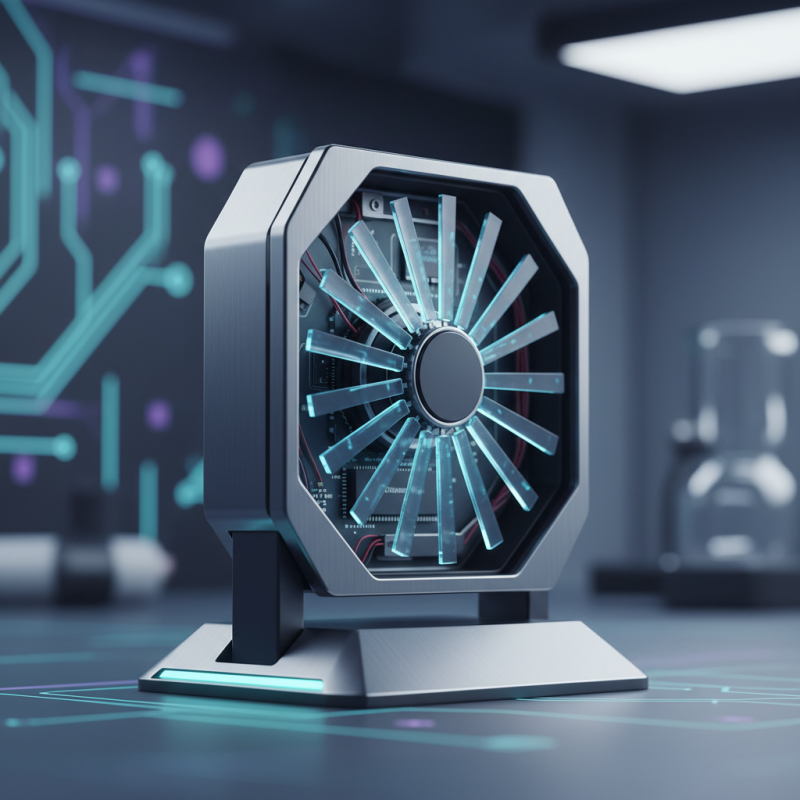
Piezo fans represent a unique approach to cooling solutions. These fans utilize piezoelectric materials to generate airflow. The fundamental mechanism involves the expansion and contraction of these materials when exposed to an electric field. As the material vibrates, it creates an efficient airflow, ideal for various applications. Reports show that piezo fans can operate with up to 90% efficiency. This feature makes them particularly appealing in environments where energy conservation is crucial.
The design of piezo fans allows for compact integration into small spaces. Traditional fans often require substantial room and can be noisy. However, piezo fans are known for their quiet operation, potentially reducing sound levels by up to 30 decibels compared to their conventional counterparts. This quality is essential in medical equipment and sensitive electronics, where noise can disrupt functionality. Yet, some users observe limitations in airflow compared to larger fans. Balancing size and performance continues to be a challenge within the industry.
Durability is another key advantage of piezo fans. They have fewer moving parts, which translates to lower wear and tear. According to studies, these fans can last significantly longer than traditional options, often exceeding 50,000 hours of operation. Despite these benefits, the initial investment can be a point of hesitation for some consumers. Understanding the long-term benefits versus upfront costs is vital for informed decision-making in cooling solutions.
Why Choose a Piezo Fan for Your Cooling Needs?
| Attribute |
Piezo Fans |
Traditional Fans |
| Cooling Efficiency |
High |
Moderate |
| Noise Level |
Low |
High |
| Durability |
Long-lasting |
Variable |
| Size Options |
Compact |
Varied |
| Power Consumption |
Low |
Higher |
| Response Time |
Instantaneous |
Delayed |
Advantages of Piezo Fans Over Traditional Cooling Solutions
When considering cooling solutions, piezo fans stand out due to their unique advantages. Unlike traditional fans, piezo fans operate silently and efficiently. They generate airflow through piezoelectric vibrations, making them ideal for noise-sensitive environments, such as offices or medical facilities. This technology offers a level of precision that often surpasses conventional methods.
Moreover, piezo fans are compact and lightweight. Their small size allows them to fit into tight spaces where traditional fans would struggle. This makes them suitable for use in various applications, from electronics cooling to small appliances. Additionally, piezo fans tend to consume less power, providing a more energy-efficient option. However, it is essential to acknowledge that deploying piezo fans may require adjustments in your existing systems.
Another noteworthy point is the longevity of piezo fans. With fewer moving parts than traditional options, they tend to exhibit greater durability. However, this does not mean they are invulnerable to issues. Regular maintenance is still necessary to ensure optimal performance. Users need to consider their specific cooling requirements carefully before switching to piezo technology.
Applications of Piezo Fans in Different Industries
Piezo fans are gaining popularity across various industries due to their unique capabilities. These fans operate using the piezoelectric effect, converting electrical energy into mechanical movement. This feature makes them ideal for applications requiring precise airflow and compact designs.
In the electronics sector, piezo fans are considered essential. They provide effective cooling for sensitive components, maintaining optimal temperatures and boosting device reliability. According to a recent report from the Electronics Cooling Association, implementing advanced cooling solutions like piezo fans can increase the lifespan of components by up to 30%. Their small footprint allows manufacturers to save space in designs, which is a significant advantage for compact devices.
In medical technology, piezo fans ensure equipment remains operational during critical procedures. They prevent overheating in devices such as MRI machines and surgical instruments. A study highlighted that the reliability of cooling systems can directly impact patient safety and equipment uptime. This reliance on efficient cooling underscores the need for innovative solutions.
Tip: When selecting a cooling solution, consider the operating environment. Factors like humidity and dust can affect fan performance.
In the automotive industry, piezo fans play a role in engine cooling and cabin climate control. They help improve fuel efficiency by maintaining optimal temperatures. However, designers must account for potential noise issues. Piezo fans can be quieter, but they still require careful integration into vehicle designs.
Tip: Test fan systems in real environments. Simulation can vary from actual performance.
Evaluating Efficiency: How Piezo Fans Perform in Various Conditions
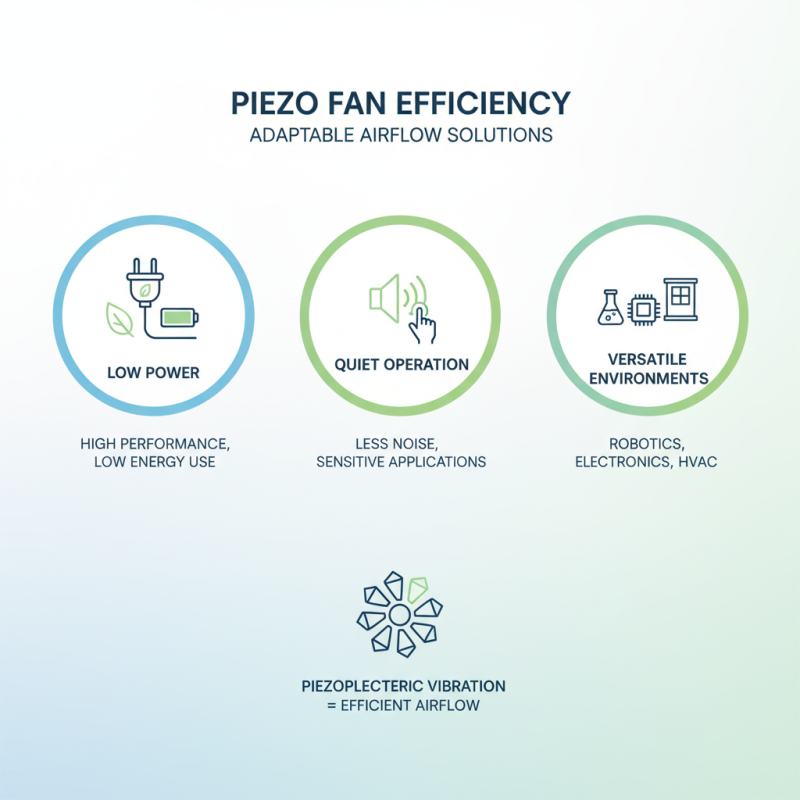
Piezo fans have gained attention for their ability to operate efficiently under various conditions. They utilize piezoelectric materials to create vibrations, resulting in airflow. This unique mechanism allows them to achieve high performance with low power consumption. In environments where noise levels must be minimized, piezo fans stand out. They produce less sound compared to traditional fans, making them suitable for sensitive applications.
In real-world testing, piezo fans perform well in both hot and humid conditions. Their design offers adaptability, allowing them to maintain efficiency even when faced with fluctuating temperatures. However, users must be aware that while these fans excel in some scenarios, their performance may vary depending on specific environmental factors. Understanding these limits is crucial for optimal usage.
**Tip:** Regular maintenance can enhance the longevity of piezo fans. Check for dust accumulation and clean the surfaces periodically.
**Tip:** When selecting a piezo fan for a project, consider the airflow requirements. Evaluate both static and dynamic conditions for best results.
Many users find they need to balance performance with expected outcomes. A deeper understanding of their operational range can lead to better choices. Experimentation with positioning and power settings can yield significant improvements in efficiency.
Future Trends in Piezoelectric Cooling Technologies
The future of piezoelectric cooling technologies shows great promise in various applications. Recent studies indicate that piezoelectric fans can achieve energy savings of over 30% compared to traditional cooling systems. This is largely due to their ability to produce airflow with minimal energy consumption. As industries seek sustainable solutions, this efficiency becomes crucial.
New advancements in materials science are enhancing the performance of piezoelectric devices. Researchers are exploring novel composites that could increase the operational lifespan and cooling efficiency. Some reports suggest that integrating these materials can push performance gains by up to 25%. The transition to more durable components may address concerns over reliability in harsh environments.
Emerging applications span from electronics to automotive industries, where efficient cooling is essential. The automotive sector could see a shift with the adoption of piezo fans to regulate temperatures in electric vehicles. Balancing efficiency with cost will remain a challenge. Companies must weigh the investment in new technologies against market demand. Continued research and development are vital to navigate these challenges, indicating an exciting journey ahead for piezoelectric cooling technologies.