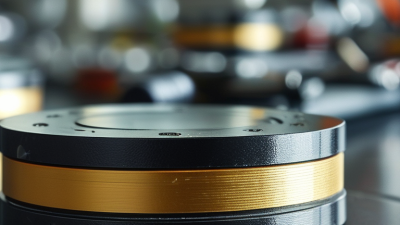
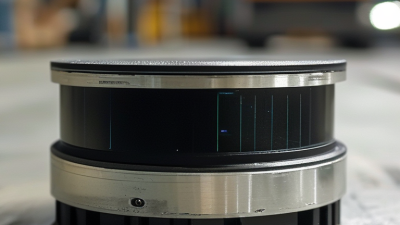
Best Piezo Ceramic Disc for Superior Performance in Applications?
In the evolving landscape of technology, the significance of the Piezo Ceramic Disc cannot be overstated. With applications ranging from sensors to actuators, these discs play a pivotal role in various industries. Dr. Emily Cheng, a noted expert in materials science, emphasizes this point: "The right Piezo Ceramic Disc can make all the difference in performance."
The choice of a piezo ceramic disc is crucial for superior performance. Factors such as size, frequency response, and material properties dictate efficiency. Selecting the best disc allows for precise control in devices. For instance, in medical ultrasound equipment, the disc’s performance directly impacts image quality. However, many users overlook these critical aspects, often leading to suboptimal outcomes.
Understanding the nuances of different piezo ceramic discs is essential. It requires both experience and expertise. While some may opt for cost-effective options, true performance lies in the details. An informed choice ensures reliability and effectiveness in applications. The right Piezo Ceramic Disc can enhance functionality, but one must carefully evaluate their specific needs.
Understanding Piezo Ceramic Discs and Their Functionality
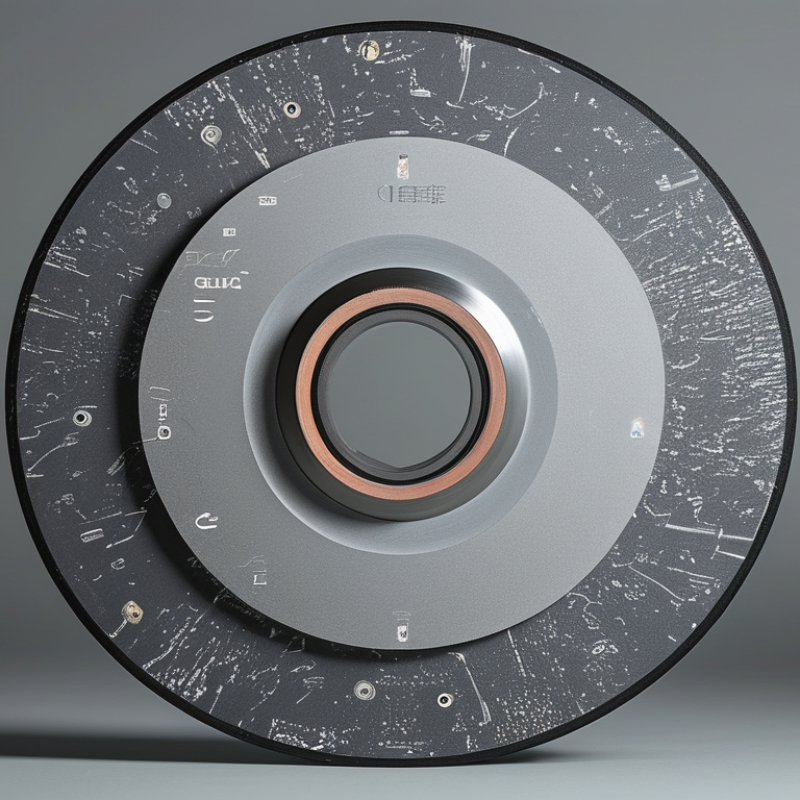
Piezo ceramic discs are vital components in various applications, from sensors to actuators. Their functionality lies in translating mechanical energy into electrical energy, or vice versa. This unique ability arises from the piezoelectric effect, where certain materials generate an electric charge under mechanical stress. These discs are characterized by their size, shape, and resonant frequency, impacting their performance.
When selecting a piezo ceramic disc, consider the operational environment. High temperatures or humidity may affect functionality. Ensure compatibility with your device's specifications. Testing different disc shapes, like round versus square, can lead to different results. Small tweaks can make a big difference in outcomes.
Tip: Always check the manufacturer's datasheet. It contains crucial information about frequency response and capacitance values.
Application-specific requirements drive the choice of piezo ceramic discs. Some designs may emphasize sensitivity, while others focus on durability. It's essential to balance both for optimum performance. Monitor the response of the disc in real-time applications, as performance may vary unexpectedly. This reflection can lead to adjustments for improved efficiency.
Tip: Consider a prototype phase. It helps reveal potential issues early. Fine-tuning during this phase enhances final product quality.
Applications of Piezo Ceramic Discs in Various Industries
Piezo ceramic discs play a crucial role in various industries, primarily due to their ability to convert mechanical energy into electrical energy and vice versa. In the automotive sector, for instance, these components are used in sensors and actuators for improved vehicle performance. According to a report by MarketsandMarkets, the automotive piezoelectric sensors market is expected to grow significantly, reaching USD 2.93 billion by 2025. This indicates a robust demand for piezo ceramic technology in automobile design.
In medical devices, piezo ceramic discs are essential for ultrasound imaging and therapeutic equipment. The precision of these ceramics ensures accurate imaging and effective treatment. The global market for piezoelectric devices in healthcare is projected to expand to USD 1.18 billion by 2024, showcasing their growing importance. However, challenges remain, such as the fragility of these materials and their sensitivity to environmental changes. Ensuring long-term reliability in such applications necessitates ongoing research and development.
Additionally, piezo ceramic discs are utilized in industrial automation for controlling machinery. Data from the International Federation of Robotics indicates a substantial rise in industrial robot adoption, leading to increased reliance on precise control systems. The integration of piezo ceramics enhances the responsiveness and efficiency of these systems. Yet, as industries evolve, continuous refinement and innovation in piezo technologies are essential to meet emerging demands.
Factors Influencing the Performance of Piezo Ceramic Discs
When assessing piezo ceramic discs, several factors determine their overall performance. The material composition plays a crucial role. Different compositions can alter sensitivity and durability. Discs made of lead zirconate titanate (PZT) often exhibit better electro-mechanical characteristics. Understanding these materials is vital for achieving desired results.
A second key factor is the geometry of the disc. The thickness, diameter, and shape can significantly impact resonant frequency and output voltage. Thinner discs typically provide better sensitivity in high-frequency applications. However, overly thin designs may compromise structural integrity. Users need to find a balance.
Temperature stability also deserves attention. Extreme temperatures can degrade performance. Discs designed with specific temperature tolerances often outperform standard models in varying environments. Users must consider the application’s conditions when selecting a disc. Material choices and design elements combined can lead to superior results, but careful consideration is essential for optimal performance.
Top Brands and Models of Piezo Ceramic Discs for Superior Results
When selecting piezo ceramic discs for superior applications, understanding the top brands and models is crucial. Industry reports indicate that the demand for piezo ceramic components has surged, driven by their effectiveness in sensors, actuators, and transducers. A notable point is that approximately 40% of companies prioritize the quality and reliability of piezo materials over their cost. This underscores the importance of selecting the right disc for optimal performance.
Key attributes to consider include the resonance frequency and sensitivity. High-performance discs typically exhibit a resonance frequency over 20 kHz, making them suitable for precision tasks. Consider how temperature stability affects performance as well. Some models showcase a stable operation range from -40°C to 125°C. However, inconsistencies in manufacturing can lead to unexpected failures, emphasizing the need for quality control in production.
Furthermore, user experiences reveal that compatibility plays a significant role in achieving superior results. Many users report that mismatched components often lead to inefficiencies or subpar functionality. A thorough understanding of your application's specific requirements is necessary. Gathering insights from technical reports and industry experts can help mitigate risks, ensuring the chosen piezo ceramic disc meets or exceeds performance expectations.
Performance Comparison of Piezo Ceramic Discs
This chart illustrates the performance metrics of various piezo ceramic discs based on their frequency response and output voltage across different applications.
Best Practices for Selecting and Using Piezo Ceramic Discs
Selecting the right piezo ceramic disc can significantly impact performance in various applications. One essential consideration is the compatibility of the material with your specific project. For example, some applications require higher sensitivity. Others might prioritize durability over sensitivity. Understanding the operational environment helps in making an informed choice.
Tips for Selection: Always review specifications. Examine frequency response and voltage ratings closely. Ensure the chosen disc can handle the environmental conditions, like temperature and humidity. Choosing a disc that doesn’t fit your application can lead to inefficiencies.
Proper usage of piezo ceramic discs also requires attention. Mounting techniques matter. An improper installation can distort performance. Additionally, testing the disc under real conditions is crucial. It allows for observation of its behavior before full-scale application.
Tips for Usage: Use appropriate adhesives when mounting. Ensure even pressure distribution to avoid mechanical strain. Regular maintenance checks can uncover issues early, saving costs in the long run. Creating a checklist can help avoid common mistakes during installation and operation. This can also be a proactive approach to reliability.
Best Piezo Ceramic Disc for Superior Performance in Applications
| Parameter |
Value |
Unit |
| Diameter |
20 |
mm |
| Thickness |
1.0 |
mm |
| Resonant Frequency |
25 |
kHz |
| Max Voltage |
100 |
V |
| Capacitance |
2.5 |
nF |
| Operating Temperature Range |
-40 to 85 |
°C |