2026 Best Active Piezo Buzzer Options for Your Projects?
When working on electronic projects, sound output is often essential. The Active Piezo Buzzer stands out as a versatile solution. It is compact, lightweight, and capable of producing clear tones. This makes it a popular choice among engineers and hobbyists alike.
Choosing the right Active Piezo Buzzer can be daunting. There are various options available in terms of size, sound frequency, and voltage. Each application might require different specifications. It’s crucial to match the buzzer's characteristics with your project needs. This can affect performance and reliability.
On the other hand, using an Active Piezo Buzzer requires careful consideration. Some models may not perform as expected in certain environments. Understanding the limitations and strengths of different buzzers is essential. Reliability can vary based on design and manufacturer. Researching and testing multiple options is vital for achieving optimal results in your projects.
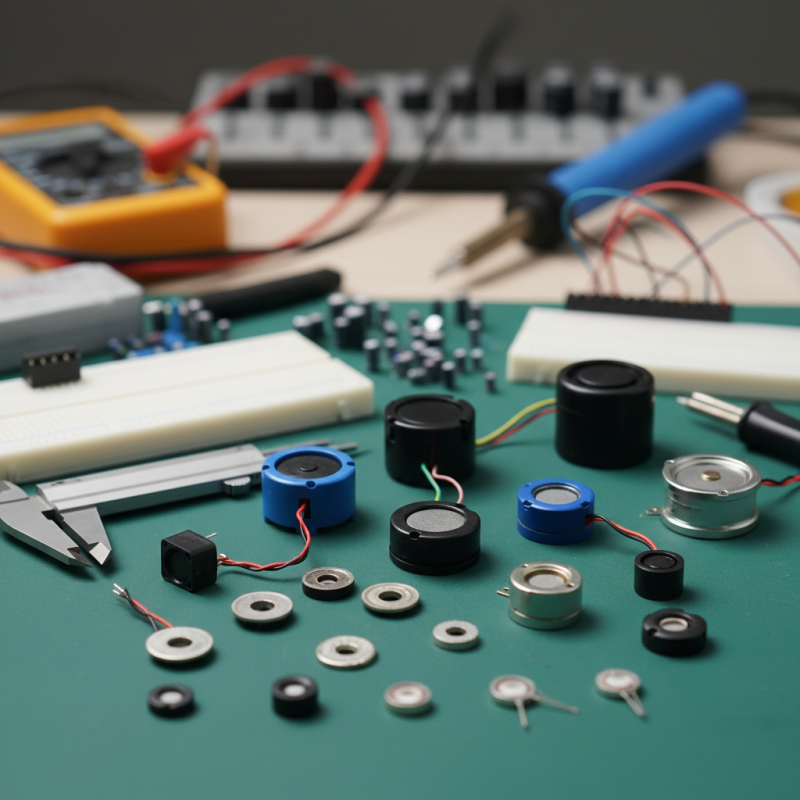
2026 Overview of Active Piezo Buzzers in Electronic Projects
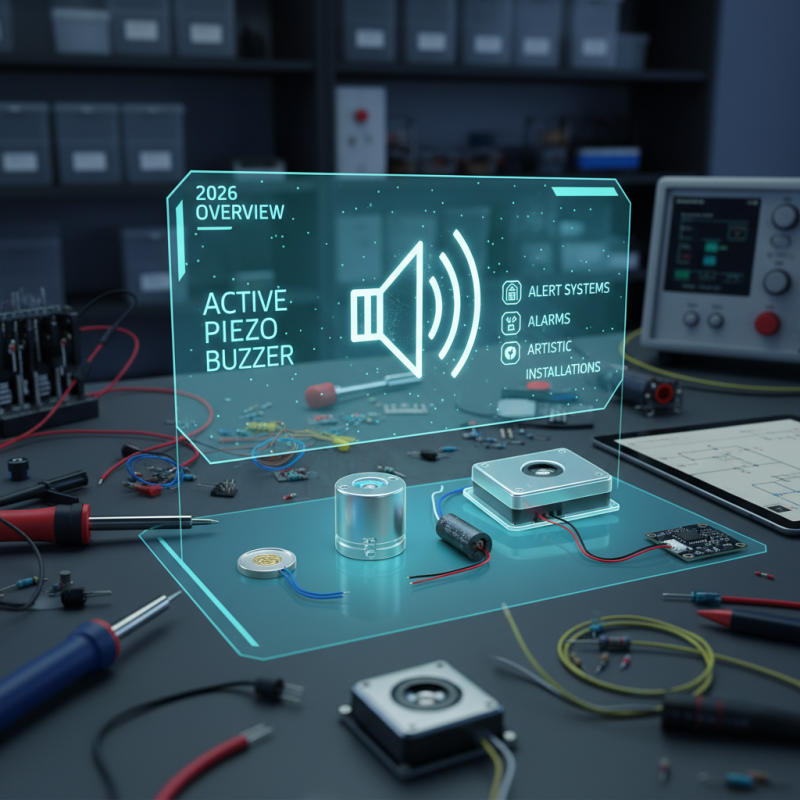
Active piezo buzzers are essential components in many electronic projects. They convert electrical energy into sound, making them useful for alert systems, alarms, and various artistic installations. These devices come in different sizes and frequencies, providing versatility in applications. The choice of a piezo buzzer depends on project requirements, such as volume, pitch, and power consumption.
When selecting an active piezo buzzer, consider testing a few options. Characteristics like response time and sound quality vary among models. Some buzzers produce a clear, sharp tone, while others are more subdued. It's crucial to assess how well they integrate with your circuit. Experimenting with different configurations might yield unexpected results.
Another factor is durability. Some buzzers may degrade over time or in harsh environments. Testing under real conditions can help identify reliability concerns. Besides, the mounting process might present challenges too. Finding the right adhesive or fixture method impacts performance. Be prepared for adjustments. Each project teaches valuable lessons about sound design and electronics integration.
Key Specifications for Selecting the Best Piezo Buzzers for Your Needs
When selecting the best piezo buzzers for your projects, a few key specifications stand out. Frequency is crucial. Most applications require buzzers that operate between 2 kHz to 4 kHz for clear sound. Make sure to check the frequency response of the buzzer you choose. You might find that certain models deliver sharp sounds, while others can produce duller tones.
Another important factor is the voltage rating. Piezo buzzers typically operate on 5V to 12V. Ensure compatibility with your power source to avoid damage. The sound level, measured in decibels (dB), is vital as well. A sound level above 70 dB is often preferred for louder alerts. However, some projects might not need sound that intense.
Consider size and weight. Some projects may require compact components, while others have more room. Pay attention to dimensions, especially if you are working with limited space. Don't overlook sensitivity. It's important for the buzzer to activate with minimal voltage. Each specification can impact your project's effectiveness. Test various models to find what truly works best for your needs.
Top 5 Manufacturers Dominating the Piezo Buzzer Market in 2026
As the demand for active piezo buzzers grows, several manufacturers rise to the occasion. These companies demonstrate expertise in producing high-quality components for various applications. Their commitment to innovation shapes the landscape for 2026.
One notable aspect of their success is a focus on technology advancements. Many manufacturers have invested heavily in R&D. This results in products that are not only reliable but also efficient. They strive to enhance sound output and minimize power consumption. However, there remain challenges in achieving the perfect balance.
Additionally, market dynamics are evolving. Some manufacturers may struggle to adapt to the rapid pace of change. Emerging technologies and design demands require constant adaptation. Companies must remain vigilant and proactive to maintain their dominance. Failure to innovate could lead to missed opportunities. The landscape is competitive, and retaining relevance is not guaranteed.
Comparative Analysis of Performance Metrics Among Popular Piezo Buzzers
When selecting an active piezo buzzer for your projects, performance metrics are crucial. Various aspects, such as sound output, frequency range, and power consumption, can greatly influence your project's success. Understanding how these metrics compare among various options helps inform your choices.
Sound output is measured in decibels (dB). A higher dB level indicates a louder sound. However, loudness should be balanced with power consumption. Some buzzers can achieve high volume while using minimal electricity. This balance can impact battery life in portable projects. The frequency range also matters. Certain buzzers perform better at specific frequencies. Each has distinct applications, making it important to choose wisely. Understanding your project's needs helps narrow down suitable options.
Consider the physical characteristics of the buzzers as well. Size and shape can affect installation. Some models are compact, fitting into tight spaces. Others may require more room but offer enhanced performance. This often leads to compromise. Additionally, some buzzers may sound great in specifications but disappoint in real-world use. Testing buzzers in a prototype phase can reveal unexpected issues. In this highly competitive landscape, reflective evaluation of your choices is key.
2026 Best Active Piezo Buzzer Options for Your Projects
This chart compares the decibel levels of five different active piezo buzzers, providing insights into their performance metrics. The data can assist in selecting the best option for your projects based on sound output.
Application Trends: Where Active Piezo Buzzers are Used in Modern Tech
Active piezo buzzers have become integral to many modern technologies. From household appliances to automotive systems, these devices create sound through piezoelectric materials. Their compact size and power efficiency make them ideal for various applications. Engineers often choose them for alert systems, timers, and communication devices.
Application trends show that active piezo buzzers are prevalent in health monitoring systems. These systems utilize sound alerts to notify users about critical health data. Whether it's a heartbeat monitor or a medication reminder, buzzers play a vital role. They are also common in smart home devices, providing alerts for security systems and appliance notifications.
**Tips:** When selecting a piezo buzzer, consider the frequency range for your specific application. The efficiency of the buzzer can vary based on the operating voltage. Ensure you match your piezo buzzer’s specifications to your project’s needs to avoid functionality issues. Also, consider the ambient environment. Sound may not be effective in noisy settings. Always prototype to gauge performance before mass production.
2026 Best Active Piezo Buzzer Options for Your Projects
| Model |
Frequency Range (kHz) |
Voltage (V) |
Sound Level (dB) |
Applications |
| Buzzer A |
2 - 5 |
3 - 24 |
85 |
Home Appliances, Alarm Systems |
| Buzzer B |
3 - 4 |
1.5 - 12 |
90 |
Toys, Medical Devices |
| Buzzer C |
1.5 - 4 |
5 - 28 |
78 |
Security Systems, Notification Devices |
| Buzzer D |
2 - 6 |
3 - 15 |
95 |
Automotive, Industrial Applications |
| Buzzer E |
1 - 3 |
3 - 20 |
80 |
Consumer Electronics, Gadgets |