Top 10 Benefits of Using Piezo Fans in Modern Technology?
In the evolving landscape of modern technology, the Piezo Fan emerges as a groundbreaking solution. This innovative fan utilizes piezoelectric materials, offering numerous advantages over traditional cooling methods. Its unique design allows it to operate quietly while delivering efficient airflow.
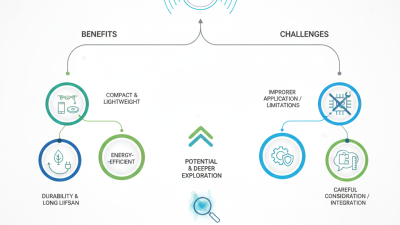
Many industries, especially electronics and automotive, benefit from the Piezo Fan’s reliability. These fans are compact and lightweight, making them ideal for tight spaces. They also consume less energy, which aligns with today’s push for sustainability.
Despite their many benefits, it is important to address potential limitations. The manufacturing process can be complex, making them costlier upfront. Users must weigh these factors to determine the best fit for their applications. Overall, recognizing the strengths and weaknesses of the Piezo Fan is crucial for informed decision-making in technology.
Advantages of Piezo Fans in Thermal Management Solutions
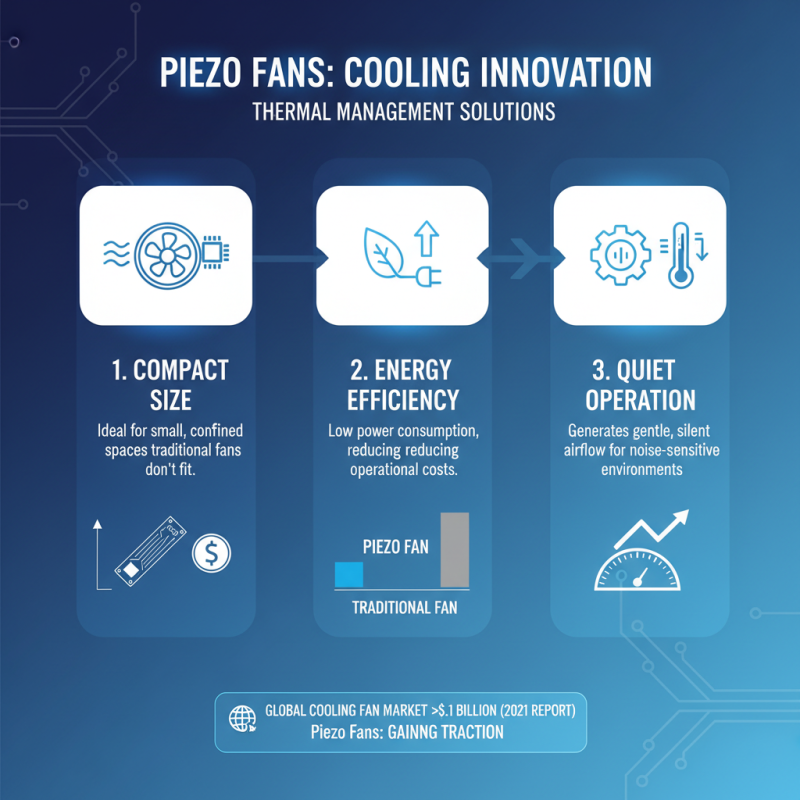
Piezo fans are increasingly recognized for their role in thermal management solutions. They utilize piezoelectric materials to generate cooling airflow. This technology suits compact environments where traditional fans might not fit. According to a report by MarketsandMarkets, the global cooling fan market was valued at over $3.1 billion in 2021, with piezo fans gaining traction for their energy efficiency.
One significant advantage is their silent operation. Unlike conventional fans, piezo fans produce minimal noise, making them ideal for sensitive applications, such as medical devices or high-end electronics. A study from the International Journal of Thermal Sciences highlighted that piezo fans can reduce noise levels by up to 60%. They improve user experience in environments where sound is a critical factor.
Moreover, piezo fans require less power. They achieve this while maintaining effective thermal control, which is critical for energy-conscious designs. The efficiency of piezo fans can lead to lower operational costs in long-term use. However, piezo technology does have limitations. Initial investment costs can be higher than traditional fans. Yet, their longevity and performance may justify the expense over time. Adopting piezo fans can be a strategic choice for modern thermal management needs.
Efficiency and Energy Savings from Piezoelectric Technology
The growing interest in piezoelectric technology is fueled by its impressive efficiency and energy-saving potential. Piezo fans use piezoelectric materials to convert mechanical vibrations into airflow. This conversion process often results in reduced energy consumption compared to traditional fans. Research indicates that piezo fans can achieve energy savings of up to 40%. This data comes from various industry reports highlighting their effectiveness in electronic cooling applications.
In addition to energy efficiency, piezo fans offer compact designs. Their smaller size allows for more flexible installations in tight spaces. This is essential in modern technology applications, especially in consumer electronics and automotive engineering. For example, a study by the International Journal of Engineering Research noted that piezo fans can cool components without occupying excessive space. However, one must consider potential drawbacks like their initial cost and performance limits in larger applications.
Reliability is another key benefit. Piezo fans typically have fewer moving parts, which reduces wear and tear. Long-term testing shows that these fans can last significantly longer than conventional motors. However, it’s essential to weigh these advantages against potential challenges in specific environments, such as extreme temperatures or high humidity levels. Overall, while piezo fans present an efficient and reliable solution, users must carefully assess their suitability for their unique technological needs.
Compact Design and Lightweight Features of Piezo Fans
In today's technological landscape, piezo fans are gaining attention due to their compact design and lightweight features. These fans utilize piezoelectric materials that vibrate to generate airflow, making them smaller than traditional fans. They can easily fit into tight spaces, which is crucial for modern devices like laptops and smartphones. Their compact nature allows for more efficient use of internal space, contributing to sleeker device designs.
Efficiency matters. When considering piezo fans, you should pay attention to the specific airflow requirements of your applications. Sometimes, performance can be overshadowed by size. Make sure the airflow generated meets your device's cooling needs effectively.
Another point to note is that while piezo fans are lightweight, they can also be sensitive. Proper handling is essential when integrating them into your technology. In some cases, their delicate construction may require additional support or features to enhance durability. Keep testing and refining your designs. This approach ensures that you fully utilize the benefits of piezo fans without compromising performance.
Reduced Noise Levels in Electronic Devices with Piezo Fans
In modern electronic devices, noise levels are a growing concern. Traditional fans can produce significant sound, affecting user experience. Piezo fans offer a remarkable solution. These fans utilize piezoelectric materials to create airflow with minimal noise. According to a report by the International Journal of Advanced Manufacturing Technology, piezo fans can reduce noise levels by up to 30 dB compared to conventional options. This means quieter devices, which is crucial for applications like laptops and hearing aids.
The design of piezo fans allows them to operate silently while remaining efficient. This silent operation stems from their unique construction, which minimizes vibrations. Compared to traditional fans, piezo fans often have a smaller footprint and use less power. The U.S. Department of Energy noted that devices utilizing piezoelectric technology can save energy while maintaining performance. Yet, not all applications are suitable for piezo fans. They may have limitations regarding airflow output in high-demand situations.
Moreover, the effectiveness of piezo fans depends on specific conditions. Their performance can vary based on environment and temperature. Some users may find a slower response in certain contexts. It’s important to evaluate whether the benefits of reduced noise outweigh potential trade-offs. In time, piezo fans may become more widely accepted, but understanding their limitations is vital for effective use in technology.
Longevity and Durability Benefits of Using Piezo Fans in Technology
Piezo fans offer remarkable longevity and durability advantages in modern technology. Unlike traditional fans, piezoelectric fans have no moving parts. This design reduces mechanical wear and tear. As a result, they can last significantly longer. Studies indicate that piezo fans can operate reliably for tens of thousands of hours without failure. This is a crucial factor in industries that require dependable cooling solutions.
One of the biggest benefits is energy efficiency. Piezo fans consume less energy compared to conventional models. A report from the International Energy Agency shows that energy-efficient fans can reduce energy consumption by up to 30%. This not only lowers operational costs but also contributes to environmental sustainability. The reduced heat generation from their efficient operation also enhances device performance.
Tips: When considering cooling solutions, evaluate the application first. Determine the required lifespan and energy consumption level. Conducting thorough research can ensure the right choice. Remember, piezo fans may not deliver the same airflow as traditional fans in all situations. Assess your specific cooling needs and expectations carefully. This reflection can lead to better technology investments.
Top 10 Benefits of Using Piezo Fans in Modern Technology