Leave Your Message
  • sns02
  • linkedin (2)
  • sns041
  • whatsapp (2)

Top 10 Uses of Piezo Technology in Industry Today?

Piezo Technology has revolutionized various industrial sectors by converting mechanical energy into electrical energy. This technology employs piezoelectric materials that generate voltage under applied pressure. Industries have embraced this innovation to enhance efficiency and reduce energy consumption.

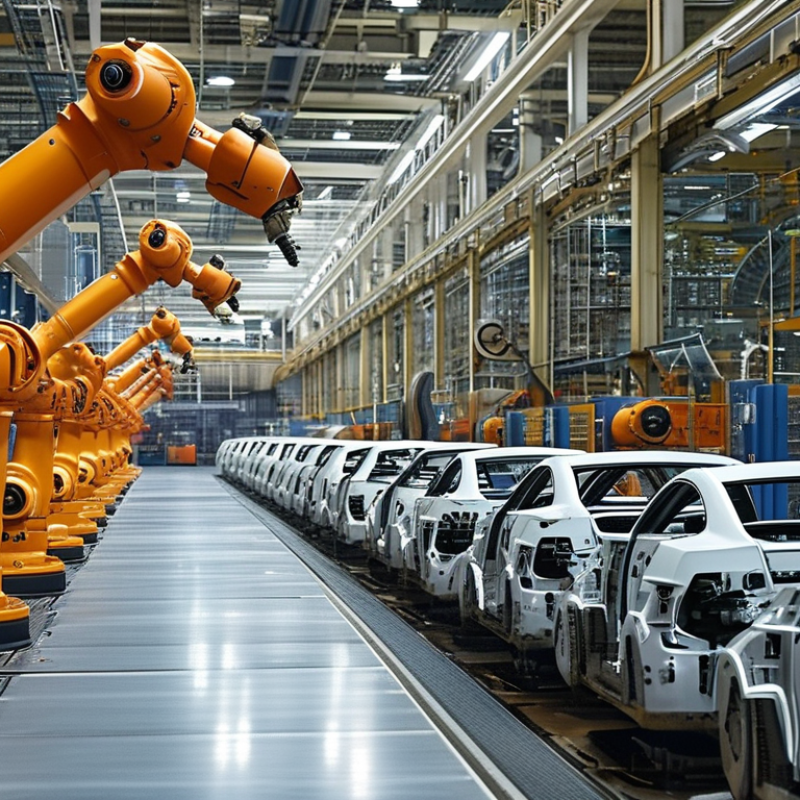
In the manufacturing sector, Piezo Technology plays a crucial role in precision measurement and control. It enables real-time feedback mechanisms that enhance product quality. For example, in automotive manufacturing, piezoelectric sensors monitor vibrations and ensure optimal machinery performance.

Despite its benefits, the adoption of Piezo Technology can be challenging. Some industries may face difficulties in integrating these systems with existing technologies. Cost factors and the need for specialized skills can also hinder widespread use. However, the growing demand for smart and efficient technologies continues to drive research and development in this area.
Top 10 Uses of Piezo Technology in Industry Today?

Applications of Piezo Technology in Automotive Industry

In the automotive industry, piezo technology plays a crucial role. It enhances safety, efficiency, and performance in various applications. One significant use is in fuel injection systems. Piezo injectors provide precise fuel delivery, improving combustion and reducing emissions. These injectors respond quickly, leading to better throttle response in vehicles.

Another application is in vibration control. Piezoelectric materials can absorb vibrations in engine components. This feature reduces noise and enhances driving comfort. Sensory technology also uses piezo elements in advanced driver-assistance systems. These systems rely on precise pressure measurements for safe operations, like automatic braking.

Tips: When utilizing piezo technology, consider integration challenges. Ensure compatibility with existing systems to avoid performance issues. Also, evaluate the environmental impact of materials used. Sustainability can enhance your automotive projects.

The potential of piezo technology is vast. However, incorporating it requires careful planning. Every vehicle component must work harmoniously. Frequent checks and improvements are essential to achieve optimal performance. Explore innovative ways to leverage this technology for better industry solutions.


Top 10 Uses of Piezo Technology in the Automotive Industry

Utilization of Piezo Sensors in Aerospace Engineering

In aerospace engineering, piezo technology has transformed how we approach sensing and actuation tasks. Piezo sensors are critical in monitoring structural integrity. They detect vibrations and strains, providing real-time data. This capability is vital for ensuring the safety and reliability of aircraft. Engineers rely heavily on these sensors to predict potential failures.

However, while piezo sensors are effective, they are not without limitations. The sensitivity can sometimes lead to false readings. This necessitates rigorous calibration and validation processes. Engineers must continually assess data reliability. Additionally, piezo materials can be affected by temperature changes, which influences their performance. Recognizing these challenges is essential in optimizing their use.

Despite these imperfections, the integration of piezo technology in aerospace applications is significant. Institutions are conducting research to improve sensor accuracy. Innovations aim to enhance their durability and adaptability. The potential for advanced piezo systems is immense, with ongoing studies into their capabilities. As the industry evolves, piezo sensors will continue to play a pivotal role in advancing aerospace engineering.

Top 10 Uses of Piezo Technology in Industry Today - Utilization of Piezo Sensors in Aerospace Engineering

Application Description Benefits Current Trends
Structural Health Monitoring Monitoring the condition of aircraft structures using piezo sensors. Improved safety and reduced maintenance costs. Increased integration with IoT technologies.
Flight Control Systems Real-time adjustments and feedback during flight operations. Enhanced maneuverability and stability. Focus on automation and AI integration.
Vibration Control Damping vibrations in engines and other critical systems. Increased component lifespan and performance. Development of smart damping systems.
Fuel Injector Systems Precise control of fuel injection timing and flow. Higher efficiency and reduced emissions. Emphasis on hybrid and electric propulsion systems.
Environmental Sensors Detecting atmospheric conditions affecting flight. Enhanced decision-making for flight safety. Integration with satellite and ground systems.
Ultrasonic Testing Non-destructive testing of materials and welds. Identification of flaws without damaging components. Use of portable testing devices.
Piezoelectric Actuators Used in precision movements and adjustments. High precision with rapid response times. Emergence of miniaturization trends.
Pressure Sensors Monitoring cabin and fuel tank pressures. Critical for safety and operational performance. Wireless pressure monitoring systems.
Temperature Sensors Monitoring component temperatures to prevent overheating. Ensures reliability and extends component life. Trend towards more advanced thermal management systems.
Acoustic Emission Monitoring Detecting sound waves emitted from materials under stress. Early warning of potential failures. Integration with modern diagnostic solutions.

Impact of Piezo Actuators in Robotics and Automation

The impact of piezo actuators in robotics and automation is significant. Research by the International Federation of Robotics indicates that the global robotics market is anticipated to grow by 20% annually. This growth directly impacts how industries adopt piezo technology for precision tasks. Piezo actuators offer fine movements, essential for high-speed assembly lines. Their ability to convert electrical energy into precise mechanical motion is unmatched.

In automation, piezoelectric materials enhance efficiency. For example, they enable faster response times in robotic arms. Reports show that incorporating piezo technology can improve operational speeds by up to 30%. This aspect is critical in sectors like manufacturing and logistics. Yet, challenges exist. Integrating piezo actuators requires expertise and can lead to calibration issues. Ensuring accurate control can be complex, especially in dynamic environments.

Moreover, maintenance of piezo systems can be demanding. They are sensitive to external forces and may require frequent checks. Despite these hurdles, the benefits often outweigh the drawbacks. Companies report reduced waste and increased precision, making piezo technology essential. As robotics evolve, the role of piezo actuators will likely expand further, fostering innovation across industries.

Role of Piezoelectric Devices in Medical Equipment

Piezoelectric devices play a vital role in medical equipment today. These components convert mechanical energy into electrical signals. This capability is crucial for applications such as ultrasound imaging and drug delivery systems. In 2021, the global piezoelectric devices market was valued at over $30 billion and is expected to grow significantly. The efficiency and precision of piezo technologies are driving their adoption in healthcare settings.

Ultrasound devices utilize piezoelectric transducers to create images of internal organs. These transducers are essential for non-invasive diagnostics. They enable real-time monitoring of patients, improving outcomes. Reports indicate that ultrasound imaging is expected to grow at a CAGR of 6% by 2026. However, challenges remain. The variability in acoustic impedance can affect image quality, underscoring the need for ongoing research.

Another application is in drug delivery systems that rely on precision. Piezoelectric actuators precisely control the flow of medication. This technology enhances patient safety and ensures accurate dosing. However, the reliability of these systems can fluctuate. Continuous monitoring and improvement are necessary to address potential failures in these devices. As the industry progresses, adapting to these challenges will be vital for maximizing the benefits of piezo technology in medicine.

Advancements in Piezo Technology for Energy Harvesting Systems

Recent advancements in piezo technology are transforming energy harvesting systems in various industries. This technology captures mechanical energy and converts it into electrical energy. Piezoelectric materials are becoming essential for sustainable energy solutions. A report by IDTechEx estimates the piezoelectric energy harvesting market will grow to over $2 billion by 2028. Such growth indicates the pivotal role piezo technology will play in future energy systems.

One exciting application of piezo technology is in wearable devices. These devices can harvest energy from human movement. Even small motions can generate sufficient energy for sensors and tracking systems. A study showed that piezoelectric materials can produce 1.5 to 3.5 volts from dynamic movements. This energy output brings potential for self-powered gadgets in health monitoring.

Despite its promise, challenges remain. Efficiency losses during energy conversion hinder optimal performance. Moreover, material selections can affect durability under harsh conditions. Industries must prioritize research and development to address these problems. Continuous innovation is crucial for maximizing the effectiveness of piezoelectric energy harvesting systems.