What is a Piezo Disc Transducer and Its Applications?
The Piezo Disc Transducer is a remarkable device widely used in various fields. It converts mechanical energy into electrical energy and vice versa. This functionality makes it essential in sensors, actuators, and ultrasonic devices.
Many industries utilize the Piezo Disc Transducer for diverse applications. For example, in medical imaging, it aids ultrasound machines in producing clear images. In automotive technologies, it plays a critical role in sensors that enhance vehicle safety. However, challenges exist. The performance may vary based on environmental conditions.
Understanding the Piezo Disc Transducer leads to innovation and improved efficiency. Its contributions span multiple sectors, reflecting its versatility. As research progresses, its potential applications are likely to expand.
What is a Piezo Disc Transducer?
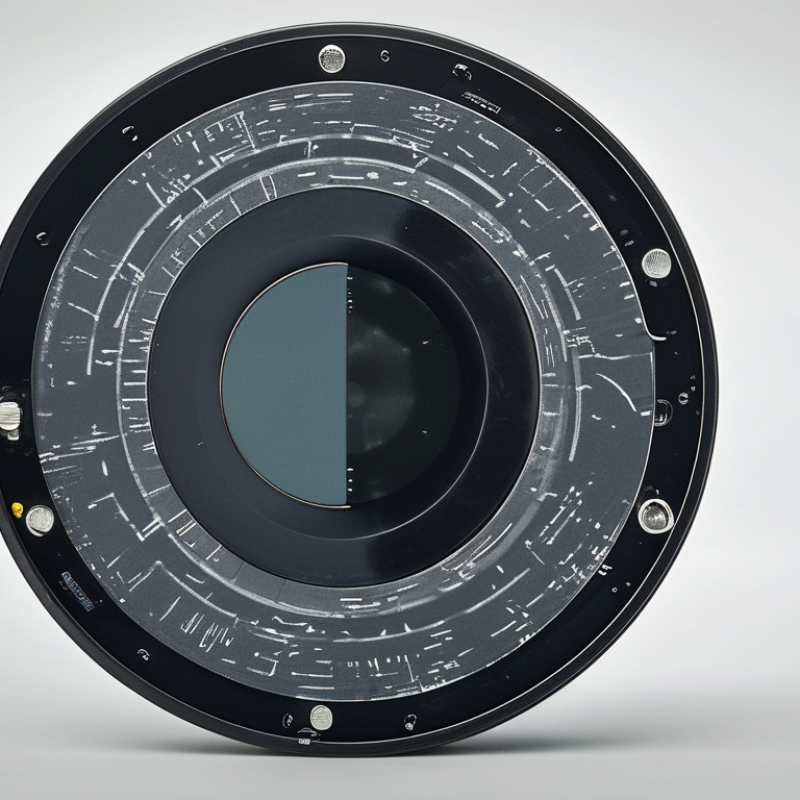
A piezo disc transducer is a type of sensor that converts mechanical energy into electrical signals. It operates based on the piezoelectric effect, where materials generate electric charge in response to applied stress. These devices are known for their sensitivity and efficiency, making them ideal for various applications.
In industry, piezo disc transducers are widely used in medical ultrasound equipment, where they produce high-frequency sound waves. According to a recent market report from Grand View Research, the global ultrasound transducer market is projected to grow at a CAGR of 5.3% by 2028. This reflects the increasing demand for diagnostic imaging technologies. Additionally, piezo disc transducers are utilized in industrial applications like vibration monitoring and pressure sensing. Their accuracy helps in real-time monitoring of machinery, which can prevent costly downtimes.
While the technology is promising, challenges remain. Piezo disc transducers can be affected by temperature fluctuations. This can lead to drift in their measurements. Furthermore, material selection is critical, as not all piezoelectric materials perform equally well under different environmental conditions. Understanding these limitations is essential for improving the reliability of piezo disc transducers in various applications.
Working Principle of Piezo Disc Transducers
Piezo disc transducers are fascinating devices that convert mechanical energy into electrical signals, and vice versa. They function based on the piezoelectric effect, where certain materials generate voltage when subjected to stress. When a force is applied to the piezo disc, it deforms slightly, generating an electrical charge. This effect is reversible; applying an electric field causes the disc to vibrate, producing sound waves.
These transducers find numerous applications across various industries. In medical devices, piezo discs play a crucial role in ultrasound equipment. They emit sound waves that penetrate the body and create images. In industrial settings, they are used for sensors and actuators, monitoring pressure or vibrations in machinery. However, their performance can be sensitive to temperature changes and environmental conditions. This sensitivity means users must consider these factors in design and implementation.
Furthermore, while piezo disc transducers are reliable, their limitations should be acknowledged. For example, they typically perform best within specific frequency ranges. Using them outside these ranges may result in distorted signals. Understanding these nuances can lead to better application designs. Testing and calibration are essential steps for optimal performance. Balancing their advantages and drawbacks is key in leveraging their full potential.
What is a Piezo Disc Transducer and Its Applications? - Working Principle of Piezo Disc Transducers
| Dimension |
Value |
Applications |
Working Principle |
| Diameter |
10 mm |
Ultrasonic cleaning |
Converts mechanical stress into electrical energy |
| Thickness |
1 mm |
Medical imaging |
Generates voltage when deformed |
| Frequency Range |
20 kHz - 100 kHz |
Sound generation |
Vibrates when voltage is applied |
| Operating Temperature |
-40 °C to 85 °C |
Industrial sensors |
Responds to pressure and strain |
| Material |
PZT (Lead Zirconate Titanate) |
Consumer electronics |
Exhibits piezoelectric effect |
Common Applications in Sensors and Actuators
Piezo disc transducers are widely used in various sensor and actuator applications. These devices convert mechanical stress into electrical signals, making them suitable for creating sensors that detect pressure, vibration, or sound. For example, piezo transducers can be used in touch-sensitive applications, such as smart touchscreen devices, providing feedback based on user interactions.
In actuators, piezo disc transducers facilitate precise movements. They are commonly found in medical devices, where they help in fine-tuning equipment like ultrasound imaging systems. The accuracy of these transducers ensures minimal disruption during delicate procedures. Additionally, they are also utilized in automotive sensors, improving safety features by monitoring various parameters, such as pressure levels in tires.
It's essential to properly calibrate these transducers for optimal performance. An incorrectly calibrated device may lead to inaccurate readings and malfunction. Regular maintenance checks are crucial to ensure they function as expected. Consider the environment where the transducers will be used, as temperature and humidity can affect their performance. Making sure they are housed properly can prolong their life and reliability.
Applications of Piezo Disc Transducers
Advantages and Limitations of Piezo Disc Transducers
Piezo disc transducers are widely used in various applications due to their ability to convert mechanical energy into electrical energy and vice versa. One significant advantage is their high sensitivity and response speed. This makes them ideal for tasks like sound production, vibration sensing, and pressure measurement. They can easily be integrated into different devices, making them versatile tools in industries such as healthcare and automotive.
However, there are limitations to consider. Their performance can be greatly affected by environmental factors like temperature and humidity. This can lead to inconsistent readings or device malfunctions. Additionally, piezo disc transducers may not perform well under continuous stress. Prolonged use can lead to wear and tear, ultimately affecting their reliability. Manufacturers need to take these factors into account during design and application.
Despite these challenges, the ongoing development in materials and technologies aims to enhance the performance of piezo disc transducers. Research continues into ways to improve their durability and functionality in various conditions. This indicates a promising future for this technology, but it remains a work in progress. Overall, understanding both the strengths and weaknesses of piezo disc transducers is crucial for their effective application.
Future Trends in Piezo Electric Technology and Transducers
The field of piezoelectric technology is rapidly evolving. Recent reports indicate a projected market growth of 8.5% in piezoelectric materials from 2023 to 2030. This surge is driven by increasing applications in consumer electronics and medical devices. For example, piezoelectric transducers are now integral in hearing aids, translating sound into electrical signals efficiently.
Emerging trends are heavily focused on miniaturization. As devices become smaller, the demand for compact transducers is skyrocketing. Researchers are exploring advanced materials, like nanostructured ceramics, which promise better performance without increasing size. This transition is reshaping applications in robotics and automotive sectors.
However, there are challenges. Enhancing energy conversion efficiency remains a critical objective. Many existing solutions still struggle with heat dissipation and longevity. Continued innovation is essential as industries rely on piezoelectric components for sustainable solutions. Adapting to these requirements will dictate the future landscape of piezoelectric technology.