Top 10 Benefits of Using Piezo Ceramic Discs in Industry?
In recent years, the use of Piezo Ceramic Discs has surged across various industries. These components are essential for actuators and sensors, known for their efficiency and precision. According to a report by the Market Research Future, the global piezoelectric devices market is expected to reach $30 billion by 2025. This highlights the growing reliance on advanced materials like piezo ceramics.
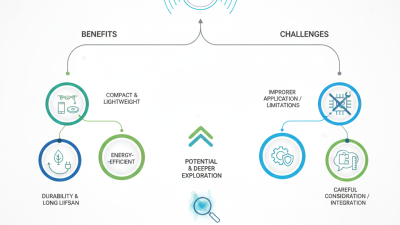
The benefits of using Piezo Ceramic Discs are substantial. They offer high reliability, durability, and performance in demanding environments. Industries such as automotive, aerospace, and health care increasingly integrate these discs for their unique capabilities. For instance, piezoelectric actuators can generate movement with minimal energy consumption, making them a preferred choice.
However, while the advantages are clear, some challenges persist. The cost of manufacturing high-quality piezo ceramic products can be significant. It’s crucial for companies to assess whether the benefits outweigh the costs. Understanding when and how to implement these materials can unlock their full potential, ensuring an effective investment in innovation.

Advantages of Piezo Ceramic Discs for Energy Harvesting Applications
In the realm of energy harvesting, piezo ceramic discs are gaining prominence. These discs convert mechanical energy into electrical energy, making them valuable for various applications. Their lightweight and compact design allows integration into small devices. This adaptability is crucial for wearables and remote sensors.
One notable benefit is their ability to generate energy from vibrations. This includes movements from vehicles or machinery. For instance, placing these discs in high-traffic areas could power small electronics. However, the efficiency of energy conversion can fluctuate based on material quality and design.
**Tip:** When selecting piezo ceramic discs, consider environmental factors. Operating temperatures and humidity can influence performance. Regular evaluations of the energy output may reveal inconsistent patterns. Monitoring can lead to improvements in application designs.
In addition, piezo discs offer a sustainable energy solution. They harness wasted energy, promoting eco-friendly operations. Innovations continue to emerge, yet the technology can be refined. Some applications may still struggle with output consistency. Exploring new materials could enhance reliability.
Applications of Piezo Ceramic Discs in Sensors and Actuators
Piezo ceramic discs are increasingly popular in various industrial applications due to their unique properties. These discs convert mechanical stress into electrical signals and vice versa. In sensors, they detect pressure, acceleration, and even temperature changes. Their sensitivity allows for accurate measurements in challenging environments.
Industry reports indicate that the demand for piezoelectric devices is rising. By 2025, the global piezoelectric sensor market is projected to reach USD 3 billion. Their use in automotive and healthcare sectors alone represents a significant portion of this growth. In actuators, piezo ceramic discs enable precise movements. This precision is crucial in robotics and automation, where efficiency is paramount.
Despite their advantages, there are challenges to consider. The brittleness of piezo materials may lead to performance limitations. These concerns can impact long-term reliability. Manufacturers must focus on enhancing these materials while ensuring cost-effectiveness. As industries adopt these solutions, ongoing research will be vital to address these challenges.
Cost-Effectiveness of Using Piezo Ceramic Discs in Manufacturing Processes
The cost-effectiveness of using piezo ceramic discs in manufacturing processes is increasingly recognized in the industrial sector. These discs serve as critical components in sensors and actuators, offering a competitive edge due to their efficiency. Research from the International Society for the Advancement of Materials shows that integrating piezo ceramics can reduce production costs by up to 30%. Such savings stem from the materials’ durability and reliability which decrease maintenance expenses.
Additionally, piezo ceramic discs have a high energy conversion efficiency. According to industry studies, they operate with an energy efficiency rate of over 90%. This performance allows manufacturers to reduce energy consumption significantly. However, the initial investment in piezo technology can be a barrier for some businesses. Addressing this requires careful consideration of long-term savings against upfront costs.
Moreover, the versatility of piezo ceramic discs enhances their appeal. They are used across various applications, from medical devices to automotive systems. This adaptability can lead to increased returns on investment. Yet, some industries still grapple with the transition to piezo technology, often due to resistance to change or lack of knowledge. Evaluating the trade-offs between existing methods and new technologies remains essential for informed decision-making.
Durability and Reliability of Piezo Ceramic Discs in Industrial Settings
Piezo ceramic discs are becoming increasingly important in various industrial settings due to their durability and reliability. According to a report by the International Journal of Advanced Manufacturing Technology, these discs exhibit remarkable mechanical strength and can withstand high temperatures up to 300°C. This makes them suitable for applications where traditional materials might fail.
In terms of longevity, piezo ceramic discs have a lifespan that can exceed 10 million cycles. This impressive durability reduces the need for frequent replacements, ultimately saving costs for businesses. Moreover, a study published in the Journal of Materials Research highlights the ability of these discs to maintain performance under diverse environmental conditions, such as moisture and dust exposure. These factors significantly contribute to the overall efficiency of industrial operations.
However, it is worth considering some limitations. For instance, piezo ceramics can be brittle, leading to potential failures if not handled properly. Additionally, their performance may vary depending on the manufacturing process and material quality. This highlights the necessity for comprehensive testing and quality control measures. Ensuring the right application and environment is crucial for maximizing their effectiveness in industrial use.
Sustainability Benefits of Implementing Piezo Ceramic Technology in Industry
Piezo ceramic technology is making waves in industrial applications, particularly in promoting sustainability. These materials convert mechanical energy into electrical energy, reducing the reliance on traditional power sources. This can significantly lower carbon footprints in manufacturing processes. By harnessing energy from vibrations, piezo ceramic discs provide an eco-friendly alternative without the need for extensive resource consumption.
One notable advantage is the long lifespan of piezo ceramics. They can last for years without significant degradation. This durability leads to reduced waste and lower replacement costs, promoting a circular economy. Furthermore, their lightweight nature contributes to energy efficiency in transportation and installation, cutting down on resource expenditure.
Tips: Consider integrating piezo technology into your operations. Analyze your current energy consumption and identify areas of improvement. Look for opportunities to innovate with piezo applications in your industry. Engage with experts to explore the latest advancements in piezo ceramics. A thoughtful examination of your processes could reveal surprising benefits. Embrace this technology and contribute to a more sustainable future.
Top 10 Benefits of Using Piezo Ceramic Discs in Industry