How to Choose the Right Micro Piezo Actuator for Your Project?
In the evolving landscape of precision technology, choosing the right Micro Piezo Actuator is crucial for project success. According to a recent market analysis by tech expert Dr. Emily Hart, "The selection of a Micro Piezo Actuator can significantly impact efficiency and performance." Her insights underline a pivotal challenge in the actuator industry: understanding the myriad of options available.
Micro Piezo Actuators leverage unique piezoelectric properties for precise movements. As the demand for automation rises, the market for these devices is expected to grow by over 15% annually. However, with many products on the market, making an informed choice is essential. Factors to weigh include size, force, response time, and even cost—elements that can appear straightforward yet reveal complexity upon closer inspection.
Many engineers face a dilemma when selecting these components. The perfect actuator for one application may not suit another. It's vital to reflect on specific project requirements and tolerances. The Micro Piezo Actuator you choose today could influence future developments, making this decision both critical and challenging.
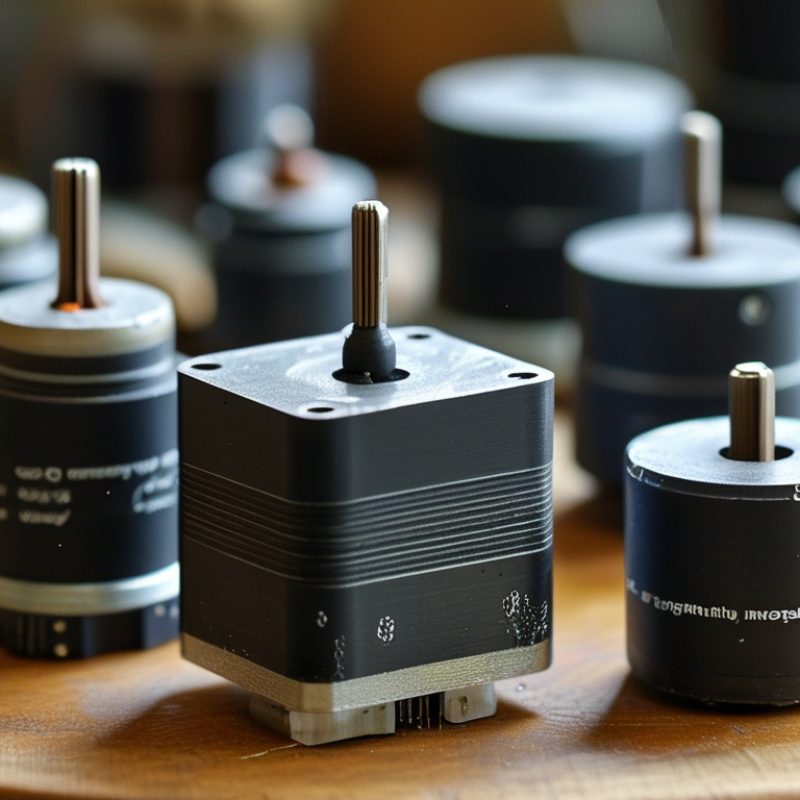
Understanding Micro Piezo Actuators and Their Applications
Micro piezo actuators are compact devices that convert electrical energy into mechanical motion. They are widely used in various applications, such as precision positioning and automation. Understanding their design and functionality is crucial for selecting the right actuator for your project.
These actuators operate using piezoelectric materials, which change shape when an electric field is applied. This can produce fine movements with impressive speed and accuracy. Their small size allows them to fit into constrained spaces, making them ideal for applications like medical devices and optical equipment. However, one must consider aspects like load capacity and stroke length, as these will affect performance.
While micro piezo actuators offer unique advantages, they are not without limitations. Their behavior can vary with temperature variations, which may impact precision. Additionally, they require careful electrical control to optimize their performance. Regular testing and evaluations are essential to ensure reliability in critical applications. Ultimately, aligning your project needs with the specific characteristics of micro piezo actuators can lead to successful outcomes.
Key Factors to Consider When Selecting a Micro Piezo Actuator
Choosing the right micro piezo actuator for your project requires careful consideration. Several key factors influence this decision.
The actuator's force output is crucial. You should define the load requirements of your application. Consider if it needs to support dynamic movements or static positioning.
Another essential factor is size. Micro piezo actuators come in various dimensions. Your project's space constraints will guide your choice.
Be mindful of the installation process. A compact design might be necessary for intricate assemblies.
Lastly, frequency response matters greatly. Some applications require rapid adjustments, while others need precision over time.
Test different models to find the ideal balance for your needs.
Remember, every project is unique. Reflecting on your specific requirements will lead to a better choice.
Comparing Different Types of Micro Piezo Actuators
When selecting a micro piezo actuator, understanding the variety available is essential. These devices come in different configurations, each with unique characteristics. For instance, stack actuators offer high force output while maintaining compact sizes. They are excellent for applications requiring precise positioning. Flexure actuators, on the other hand, allow for smoother movements and are ideal for more delicate tasks. This diversity means that specific project needs can significantly influence actuator choice.
Another important consideration is the operating frequency. Certain actuators perform better at high frequencies, while others shine in lower frequency environments. The material composition of the actuator also affects performance. Ceramics generally deliver better efficiency and stability under varying temperatures. However, the trade-off may be a reduction in displacement range. It's crucial to analyze these differences carefully.
Additionally, electrical requirements can vary widely across models. Some actuators may need more power to function effectively, which can add complexity to your project. It’s also worth noting that achieving optimal performance often involves practical testing. Relying solely on specifications may lead to unexpected challenges during implementation. Balancing these factors is key to finding the right micro piezo actuator for your specific application.
Evaluating Performance Specifications for Your Project Needs
When selecting a micro piezo actuator, it's crucial to evaluate performance specifications carefully. Actuators vary widely in capabilities, such as force output, displacement, and response time. For instance, a report from the International Society of Automation highlights that a 500 µN force can achieve a displacement of up to 10 µm in optimal conditions. This capability may be adequate for tasks involving precise positioning.
Understanding the application's demands becomes essential. If your project requires rapid adjustments, response time becomes a primary factor. Some actuators boast response times as low as 0.1 ms. However, these specifications can reflect ideal scenarios that may not materialize under real-world conditions. It’s important to verify these metrics via testing or user reviews in relevant applications.
Not all specifications are equally important for every project. An actuator's bandwidth might be critical in robotics, while low power consumption may matter more in handheld devices. Industry benchmarks indicate that focusing on specific parameters, like drive voltage and temperature stability, can ensure reliable operation. Nevertheless, it’s wise to acknowledge potential trade-offs. Higher force often comes at the cost of increased size or reduced efficiency. Balancing these factors can be challenging but crucial for successful implementation.
Integration and Potential Challenges with Micro Piezo Actuators
Micro piezo actuators offer unique advantages for precision applications. These devices can provide rapid response and high precision movement. However, their integration into projects can pose several challenges. Understanding these factors is crucial for successful implementation.
One challenge is compatibility with existing systems. Many applications demand specific voltage levels and control signals. A study showed that improper voltage management can lead to a 30% reduction in efficiency. This inefficiency can complicate design and limit performance. Engineers often face hurdles in aligning micro piezo actuators with the existing electronic architecture.
Another aspect to consider is long-term reliability. Micro piezo actuators are often exposed to varying environmental conditions. Fluctuations in temperature and humidity can impact performance. In fact, reliability studies indicate that over 25% of failures in these actuators are related to environmental factors. Proper testing and validation are critical to ensure that actuators perform consistently under these conditions. Designing with these potential challenges in mind can enhance project outcomes significantly.
How to Choose the Right Micro Piezo Actuator for Your Project? - Integration and Potential Challenges with Micro Piezo Actuators
| Actuator Type |
Force Output (N) |
Stroke Length (mm) |
Frequency Response (Hz) |
Voltage Range (V) |
Potential Challenges |
| Standard Micro Piezo |
20 N |
5 mm |
2000 Hz |
-20 to 120 V |
Calibration sensitivity |
| High Precision Piezo |
15 N |
10 mm |
3000 Hz |
-30 to 150 V |
Temperature drift |
| Ultra-Compact Piezo |
10 N |
2 mm |
5000 Hz |
-10 to 100 V |
Limited stroke |
| Large Stroke Piezo |
25 N |
15 mm |
1500 Hz |
-20 to 120 V |
Bulk and weight |