Top 10 Applications of Piezoelectric Ceramic Disc in Modern Technology?
The rise of technology in recent years has opened new avenues for innovation. One remarkable advancement in this field is the "Piezoelectric Ceramic Disc." These discs convert mechanical energy into electrical energy with impressive efficiency. Their applications span numerous sectors, including healthcare, automotive, and consumer electronics.
The unique properties of piezoelectric materials allow them to sense pressure, vibration, and strain. This versatility makes them indispensable in modern devices. For example, they are widely used in sensors and actuators. In the global market, their impact is undeniable and growing. However, challenges remain in optimizing their performance for specific applications.
Research continues to uncover new potential uses for piezoelectric ceramic discs. The demand for sustainable and efficient technology drives this exploration. As industries evolve, these materials might play an even larger role. Each application presents an opportunity for improvement and adaptation, prompting ongoing reflection and development in the field.
Applications in Sensors and Actuators
Piezoelectric ceramic discs are transforming sensor and actuator technologies. They convert mechanical stress into electrical energy and vice versa. This unique property makes them invaluable in various applications. One notable example is in pressure sensors. These devices provide precise measurements. They are used in medical devices, automotive systems, and industrial equipment, ensuring accuracy and reliability.
Actuators also benefit greatly from piezoelectric ceramics. These components enable motion control in robotics and aerospace systems. Their compact size allows for integration in small spaces, enhancing design flexibility. The speed of response is impressive, offering real-time operation. However, there are challenges. The durability of materials under varying conditions can sometimes be a concern. Researchers are actively exploring ways to improve longevity and efficiency.
In the realm of consumer electronics, these materials play a critical role. They help in creating haptic feedback systems in smartphones and gaming devices. Users enjoy tactile sensations that improve the experience. Despite advancements, piezoelectric ceramics can be expensive to produce. This limits their widespread application. Ongoing research aims to develop cost-effective solutions. Balancing performance and price is essential for wider adoption.
Top 10 Applications of Piezoelectric Ceramic Disc in Modern Technology
Role in Energy Harvesting Devices
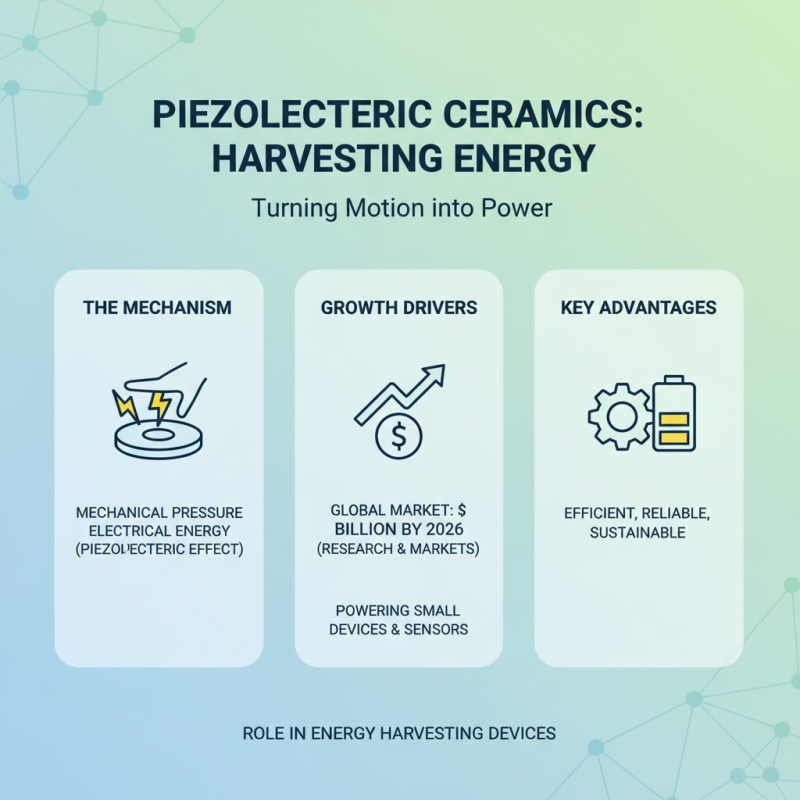
Piezoelectric ceramic discs have gained traction in energy harvesting devices due to their unique properties. These materials can convert mechanical energy into electrical energy via the piezoelectric effect. A report from Research and Markets estimates that the global piezoelectric materials market could reach $3 billion by 2026. This growth is largely driven by their application in energy harvesting.
In devices like sensors and wearable technologies, piezoelectric ceramic discs efficiently capture energy from motion, vibrations, or pressure. For example, a smart shoe equipped with these discs can generate power from each step. This innovation could potentially reduce reliance on batteries, leading to sustainable solutions. Industry reports indicate that up to 60% of energy in certain applications can be extracted using these materials.
However, challenges remain. The efficiency of energy conversion can vary significantly based on material composition and environmental factors. It is not always easy to optimize these materials for specific applications. Additionally, the long-term durability of piezoelectric ceramic devices has yet to be fully established, which raises questions about their reliability. These considerations highlight the need for ongoing research and development in the field.
Integration in Medical Ultrasound Equipment
The integration of piezoelectric ceramic discs in medical ultrasound equipment has transformed diagnostic imaging. These materials convert mechanical energy into electrical signals, enabling precise imaging of internal bodily structures. In the United States alone, the ultrasound market is projected to reach $3.59 billion by 2027, primarily driven by advancements in imaging technologies.
Recent studies indicate that piezoelectric materials improve the sensitivity and resolution of ultrasound devices. By utilizing these ceramic discs, medical personnel can detect abnormalities, such as tumors, with remarkable accuracy. Data suggests that the use of piezoelectric transducers in ultrasound systems can enhance imaging resolution by up to 30%. This advancement is crucial in early diagnosis, influencing patient outcomes significantly.
While the benefits are clear, challenges remain. For instance, the longevity of piezoelectric ceramic discs can vary based on operational conditions. Regular maintenance and calibration are necessary to ensure optimal performance. Moreover, there is an ongoing need for cost-effective manufacturing methods to make these technologies accessible worldwide. As we apply these advancements, continuous research is essential to address these issues proactively.
Top 10 Applications of Piezoelectric Ceramic Disc in Modern Technology - Integration in Medical Ultrasound Equipment
| Application |
Functionality |
Material Type |
Frequency Range (MHz) |
Advantages |
| Ultrasound Transducers |
Converts electrical energy into ultrasound waves |
PZT (Lead Zirconate Titanate) |
1 to 15 |
High sensitivity, compact size |
| Hydrophones |
Measures underwater sound levels |
PVDF (Polyvinylidene Fluoride) |
0.1 to 30 |
Wide frequency range, flexible |
| Medical Imaging |
Enhances image resolution and contrast |
Sio2 (Silicon Dioxide) |
3 to 10 |
Improved imaging quality |
| Therapeutic Ultrasound |
Delivers ultrasound waves for treatment |
BaTiO3 (Barium Titanate) |
1 to 20 |
Non-invasive, effective healing |
| Doppler Ultrasonography |
Measures blood flow velocities |
PZT-5A |
2 to 10 |
Real-time monitoring, safe |
| Ultrasound Therapy Devices |
Promotes tissue healing |
LiNbO3 (Lithium Niobate) |
0.5 to 3 |
Portable, effective for patients |
| Phantoms for Calibration |
Standardizes ultrasound equipment |
Custom synthesized ceramics |
1 to 15 |
Accurate calibration, reliable |
| Sonophoresis |
Enhances drug delivery through skin |
PZT |
1 to 20 |
Improved penetration, effective |
| Dental Ultrasonics |
Cleans teeth using vibrations |
PZT |
20 to 40 |
Effective cleaning, less discomfort |
| Aesthetic Treatments |
Skin rejuvenation through ultrasound |
Barium Titanate |
1 to 5 |
Non-invasive, immediate results |
Usage in Consumer Electronics
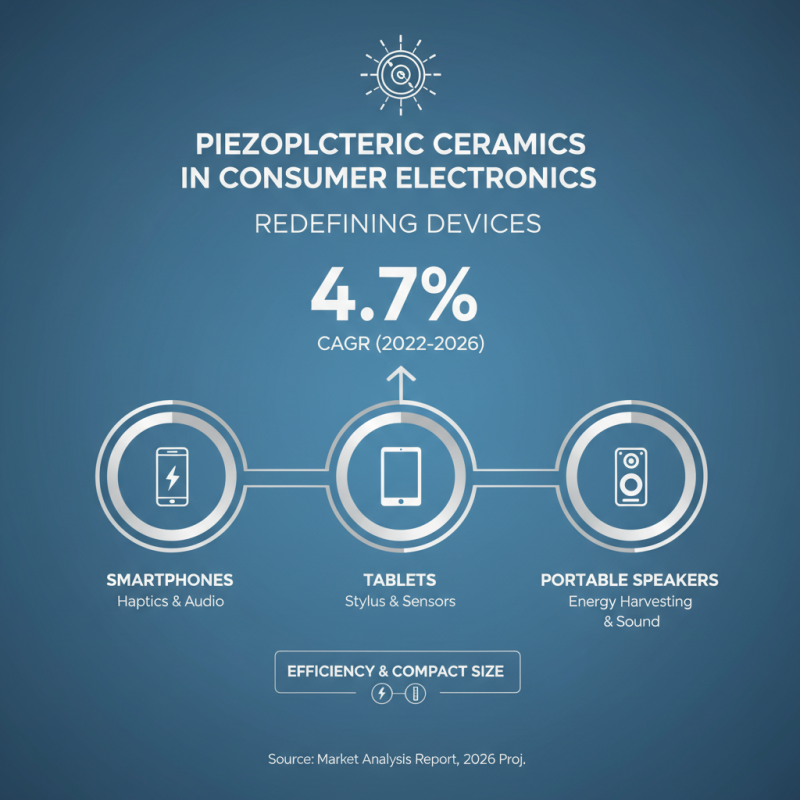
Piezoelectric ceramic discs are redefining consumer electronics by enabling innovative applications. These materials convert mechanical stress into electrical energy. A recent market analysis reports that this segment is growing significantly, with an expected CAGR of 4.7% through 2026. Their efficiency and compact size make them ideal for devices like smartphones, tablets, and portable speakers.
One practical application is in touchscreens. The discs enhance sensitivity and accuracy, improving user experience. They also find use in sensors, enabling precise measurements in various electronic gadgets. For instance, smart home devices often rely on piezoelectric ceramics for responsive performance. This technology underscores how small components can offer remarkable functionality.
Tips: When choosing components for your devices, consider the size and efficiency of piezoelectric ceramics. Look for datasheets that provide specific performance metrics. Pay attention to the cost versus benefits; some cheaper options may perform poorly. Exploring known limitations in applications can lead to better design choices and improved functionality.
Advancements in Robotics and Automation Systems
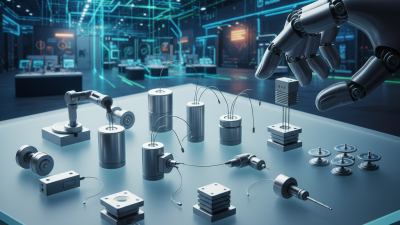
Piezoelectric ceramic discs have emerged as pivotal components in the realm of robotics and automation. These small but powerful devices convert mechanical stress into electrical energy, enabling precise control in robotic systems. For instance, their integration into robotic arms enhances movement accuracy and responsiveness. A slight bend in the disc can generate a significant electrical signal, allowing for real-time feedback and adjustments. This capability is crucial in applications requiring delicate manipulation, such as surgical robots or assembly line automation.
Moreover, the durability of piezoelectric ceramics makes them ideal for harsh environments. They resist wear and tear better than many alternatives. However, challenges remain. The efficiency of energy conversion can be variable, depending on the specific conditions present. Also, the integration process can introduce complexities that require careful design and engineering. As industries continue to push for advancements in automation, the reliability of these ceramics must be critically assessed, ensuring consistent performance in demanding applications. The ongoing exploration in piezoelectric technology highlights both its promise and the importance of addressing its limitations.