How to Choose the Right Micro Piezo Actuator for Your Needs?
Choosing the right Micro Piezo Actuator is crucial for various applications in precision motion control. Dr. Emily Hawthorne, a leading expert in piezoelectric technology, emphasizes, “Selecting the right actuator can drastically improve performance and efficiency.” The world of Micro Piezo Actuators is vast and complex, often leading to confusion.
These devices are essential in fields like robotics, medicine, and aerospace. A well-chosen actuator can enhance precision in movements as small as micrometers. However, with numerous options available, how do you ensure you're making the best choice? The options can overwhelm engineers and decision-makers alike. A misstep in selection could mean inefficiency or even project failure.
Understanding specifications like force, displacement, and frequency is vital. It's not just about choosing the most powerful actuator. Sometimes, a less powerful option might better fit your specific needs. This journey to find the perfect Micro Piezo Actuator requires careful consideration and a detailed understanding of your project requirements.
Understanding Micro Piezo Actuators: Key Features and Applications
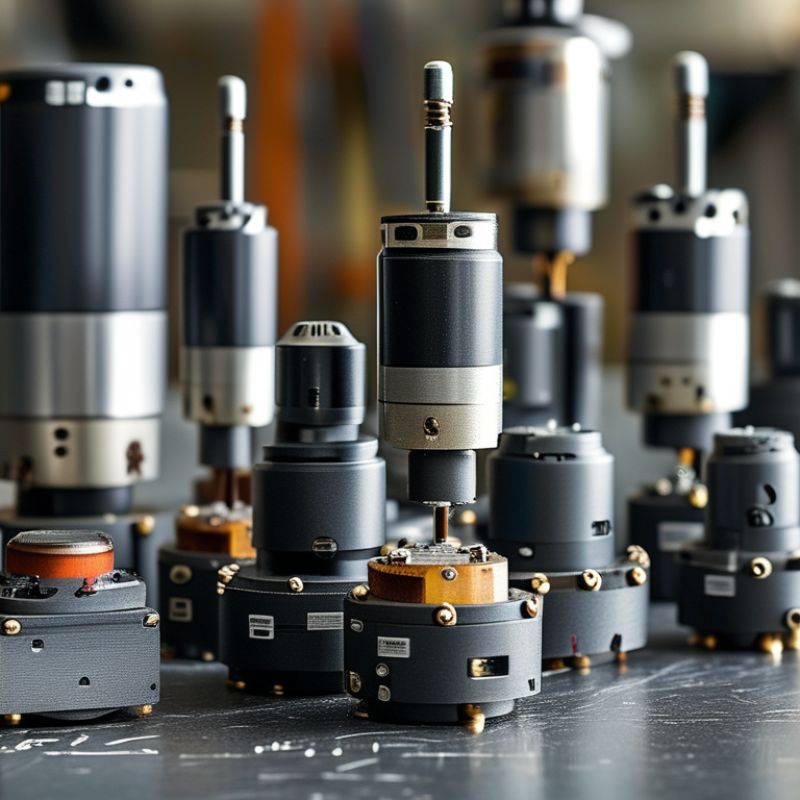
Micro piezo actuators have gained significant attention due to their compact size and precise control capabilities. These devices utilize piezoelectric materials to convert electrical energy into mechanical motion. Their applications span across various fields, including robotics, optics, and biomedical engineering. Recent data from industry reports suggest that the global micro piezo actuator market is projected to grow significantly, reaching over $500 million by 2025, driven by increasing demand in automation.
When selecting a micro piezo actuator, consider the key features that align with your specific needs. Look for parameters such as stroke length, response time, and operating voltage. For example, a standard actuator may offer a stroke of just a few micrometers but can operate at high speeds up to 1 kHz. These specs are crucial for applications requiring quick adjustments.
Tips: Always review the actuator's load capacity, as exceeding limits may lead to performance issues. Testing different models under actual working conditions can help refine your choice. Note that while many micro piezo actuators excel in precision, some may have limitations in endurance or efficiency. Understanding the environment and application is pivotal when making your choice.
How to Choose the Right Micro Piezo Actuator for Your Needs?
| Key Features |
Applications |
Recommended Specifications |
| High precision |
Optical devices |
Travel distance: 1-10 um |
| Fast response time |
Medical instruments |
Frequency: Up to 1 kHz |
| Compact size |
Robotics |
Voltage: 0-200 V |
| Low power consumption |
Electronics positioning |
Power: < 1 W |
| High reliability |
Aerospace applications |
Cycle life: >1 million |
Analyzing Performance Metrics: Stroke Length, Force, and Speed Requirements
When selecting a micro piezo actuator, understanding its performance metrics is crucial. The three key metrics to analyze are stroke length, force, and speed requirements. Research shows that many applications demand specific stroke lengths, often ranging from a few hundred micrometers to several millimeters. For instance, medical devices typically require precision with stroke lengths below one millimeter, while industrial applications may need longer strokes.
Force requirements vary significantly across applications. Some micro piezo actuators generate forces exceeding 100 Newtons, suitable for tasks like valve control in fluid systems. Other applications may only need modest forces, around 10 Newtons, emphasizing the importance of matching actuator capabilities with operational demands. Industry reports suggest that actuator performance can degrade if the force is exceeded, leading to reliability issues.
Speed is equally vital. Fast response times of less than 1 millisecond are desirable in robotics and automation. However, achieving this speed may compromise stroke length or force. A careful balance is necessary, as pushing an actuator to its limits can lead to performance instability. Therefore, understanding these metrics helps in making informed choices, ensuring that the selected actuator meets the demands of specific applications.
Evaluating Compatibility: Electrical and Mechanical Considerations
When selecting a micro piezo actuator, compatibility is crucial. Electrical specifications must align. These include voltage, current, and power ratings. Research indicates that over 30% of failures stem from electrical mismatch. This highlights the need for precise calculations. A comprehensive understanding of these factors prevents costly errors.
Mechanical compatibility is equally important. Size and weight affect integration into existing systems. For instance, actuators must fit in designated spaces and endure operational stresses. Reports from the International Society of Automation show that improper fitting can reduce actuator lifespan by up to 25%. Identifying these physical parameters ensures efficient operation.
It’s essential to consider both electrical and mechanical factors. Overlooking one can lead to inefficiencies. For instance, high voltage applications may require robust insulation. Meanwhile, lightweight materials might be critical for mobile devices. This delicate balance demands careful evaluation during the selection process. Reflect on your project's unique requirements.
Assessing the Environment: Temperature, Humidity, and Vibration Factors
When selecting a micro piezo actuator, it is vital to consider the environment where it will operate. Temperature extremes can impact performance. High heat may cause overheating, while low temperatures might affect its efficiency. Each actuator has a specified temperature range. Make sure to check this to avoid operational failures.
Humidity plays a critical role as well. Excess moisture can lead to corrosion or electrical connectivity issues. Opt for actuators designed with protective coatings if humidity levels are high. This can prevent failure and ensure longevity.
Tip: Always conduct a thorough environmental assessment before making a selection.
Vibration factors should not be overlooked, either. Devices in high-vibration settings may experience wear and tear more quickly. Ensure that the actuator can withstand these conditions. Proper mechanical support can help mitigate the effects of vibration.
Tip: Consider running a prototype test in a controlled environment before full deployment. This will help identify potential issues early.
Cost-Benefit Analysis: Balancing Price with Performance in Selection
When selecting a micro piezo actuator, cost-benefit analysis plays a critical role. It's essential to balance price and performance. According to industry reports, purchasing decisions can impact long-term efficiency. A recent study found that high-quality actuators can lead to a 25% increase in operational lifespan, offsetting their initial cost.
Manufacturers often provide a range of options. Lower-priced actuators may suit certain applications but often sacrifice precision and reliability. In contrast, premium models offer high responsiveness and durability. For instance, actuators with a higher resonance frequency tend to deliver better performance in demanding environments.
Tips: Always evaluate your specific application needs. Consider factors such as load requirements and space constraints. Additionally, consult performance specifications carefully to avoid potential mismatches that could lead to equipment failure. This proactive approach saves time and resources in the long run.
Investing in the right actuator can mean higher efficiency and lower maintenance costs. Yet, there is no one-size-fits-all. Reflecting on your unique application can guide you to a more tailored solution, ultimately enhancing your system's overall performance.
Cost-Benefit Analysis of Micro Piezo Actuators